
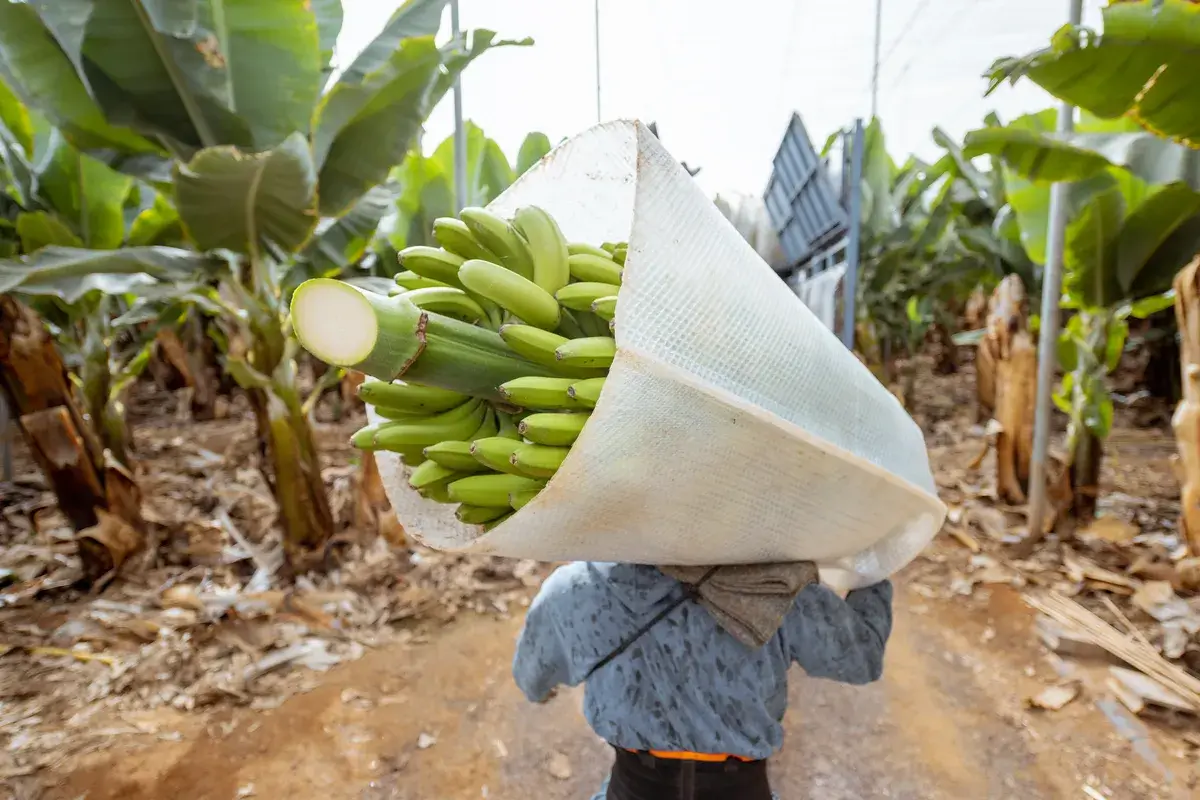
Every time you slice a banana over your morning oats in Toronto, there’s a chance it came from a farm in Costa Rica where monkeys howl at dawn and jaguars pad silently through the underbrush. A new six-month camera-trap project is proving that the country’s banana industry can coexist with, and even protect, some of the most biologically rich forests in the hemisphere.
What Exactly Happened?
The National Forest Financing Fund (Fonafifo) installed dozens of motion-activated camera traps in more than 1,200 hectares of private forest maintained by Agroforestales de Sixaola in the Caribbean canton of Talamanca. By silently recording day and night, these devices will create the first high-resolution inventory of the mammals, birds, and reptiles that roam the understory—information scientists rarely obtain without months of fieldwork.
Why Camera Traps Matter
The value of camera traps is twofold:
- Low-Impact Monitoring: Unlike traditional surveys that rely on snares or prolonged human presence, camera traps collect data without disturbing wildlife.
- Hard Evidence: Photos and video clips provide indisputable proof of species presence, allowing conservationists to design targeted protection plans.
The Forest Behind Your Banana
Talamanca is part of the La Amistad-Caribbean Biological Corridor, a mosaic of protected areas and indigenous territories recognized by UNESCO. While Costa Rica exports roughly 100 million boxes of bananas each year, many farms in Talamanca set aside large tracts of primary forest as natural buffers. These “green belts” reduce pesticide drift, stabilize soils, and safeguard river systems that indigenous Bribri and Cabécar communities rely on.
Expected Stars of the Footage
Preliminary field signs suggest the cameras may capture:
- Jaguars & Pumas – apex predators that indicate a healthy prey base
- Baird’s Tapir – the heaviest land mammal in Central America and a globally threatened species
- Ocelots, Margays, and Jaguarundis – smaller spotted cats that require dense forest cover
- Collared Peccaries & White-lipped Peccaries – key seed dispersers
- Great Curassows, Crested Guans, and other ground birds – vital for forest regeneration through seed scattering
How the Banana Industry Got Involved
Agroforestales de Sixaola is part of a regional movement to blend agriculture with conservation through:
- Payment for Environmental Services (PES): Fonafifo pays landowners who maintain forest cover, financed partly through carbon taxes and international climate funds.
- Sustainability Certifications: Farms in the region hold Rainforest Alliance or GlobalG.A.P. seals, which demand wildlife corridors, limited agrochemicals, and fair labor practices.
- Agroforestry Buffers: Shade trees—often native species like almendro and cedro amargo—are planted among banana rows, creating vertical habitat layers and drawing pollinators back.
Why This Matters to Latinos in Toronto
Canada imports more than 500,000 tonnes of bananas annually, and Costa Rica is a top supplier. By choosing fruit bearing credible sustainability labels at your local mercadito or supermarket, you’re effectively funding the protection of jaguar territory thousands of kilometers away.
Tips for Conscious Banana Buying
- Look for the little green frog logo of Rainforest Alliance or the blue G.A.P. oval—both signal stronger environmental oversight.
- Favor organic when possible; it further reduces chemical runoff into waterways shared by wildlife and coastal communities.
- Ask store managers where their bananas come from. Consumer curiosity pushes distributors to tighten their supply chains.
What Comes Next?
Once the six-month monitoring period concludes, researchers will sort and catalog thousands of images. The dataset will:
- Help Costa Rican authorities refine wildlife corridors between the La Amistad and Gandoca-Manzanillo reserves.
- Serve as baseline evidence for expanding PES contracts, channeling more funds to landowners who keep forests standing.
- Provide material for environmental education programs aimed at local schools and farmworkers.
In short, the humble banana sitting in your Toronto fruit basket is now connected to an ambitious conservation experiment in Costa Rica’s Caribbean lowlands. Thanks to a network of hidden cameras, we’ll soon see exactly which creatures benefit when commerce and conservation walk hand in hand.