
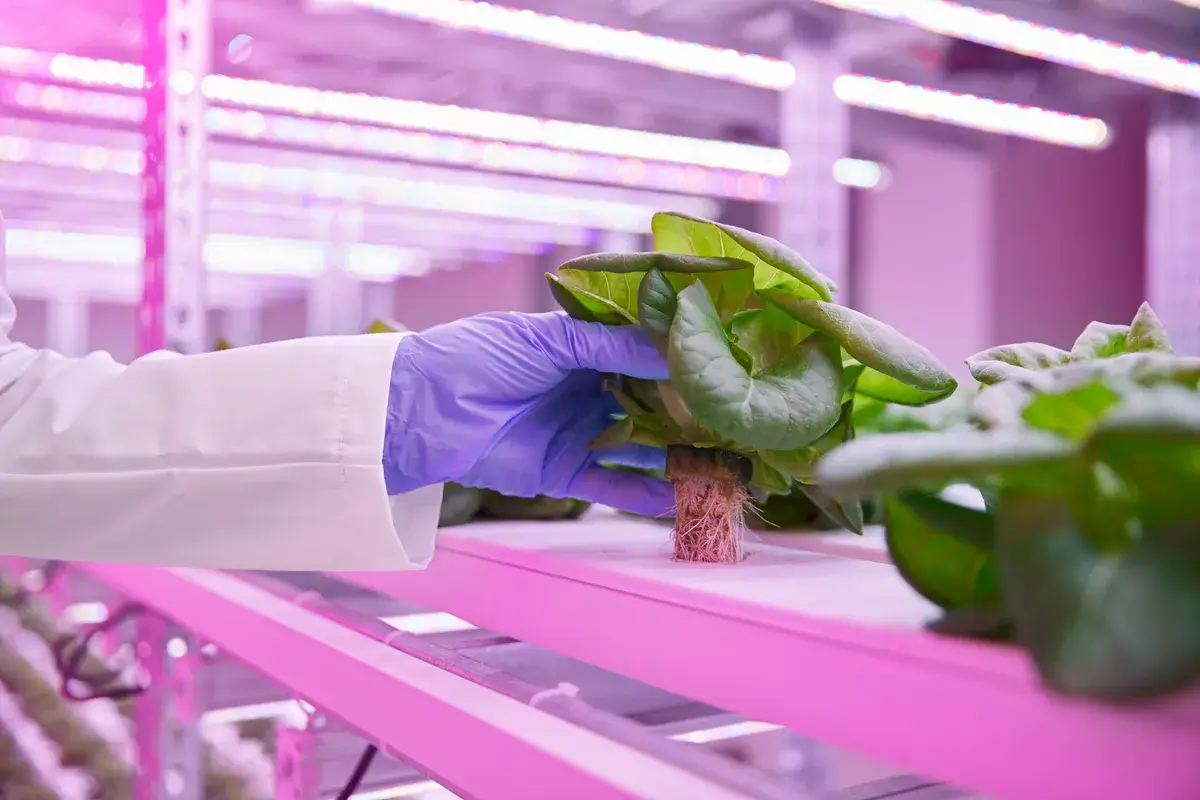
As global populations shift toward urban centers, the traditional model of transporting food from distant rural fields to city plates is facing a sustainability crisis. Enter Vertical Farming and Indoor Agriculture—a high-tech solution that turns skyscrapers and abandoned warehouses into the greenhouses of tomorrow.
What is Vertical Farming?
At its core, vertical farming is the practice of growing crops in vertically stacked layers. Unlike traditional farming, which relies on expansive horizontal land, indoor farms utilize controlled-environment agriculture (CEA) technology to optimize plant growth in a fraction of the space.
These systems typically employ three main soil-less methods:
- Hydroponics: Growing plants in a nutrient-rich water solution.
- Aeroponics: Misting the roots of plants with nutrients and water, using significantly less liquid than any other method.
- Aquaponics: A symbiotic system where fish waste provides nutrients for the plants, and the plants purify the water for the fish.
The Benefits: Why the City Needs the Farm
The “Indoor Farm” revolution isn’t just a trend; it’s a response to several logistical and environmental challenges.
- Year-Round Production: Indoor farms are immune to droughts, frosts, and heatwaves. This ensures a consistent food supply regardless of the season.
- Zero “Food Miles”: By growing food in the heart of the city, we drastically reduce the carbon footprint associated with long-haul transportation.
- Water Conservation: Most vertical farms use up to 90-95% less water than traditional agriculture because the water is recycled within a closed-loop system.
- No Pesticides: The controlled indoor environment acts as a natural barrier to pests, eliminating the need for harmful chemical treatments.
Challenges on the Horizon
Despite the promise, the path to a fully “green” city isn’t without hurdles. The energy consumption required to power 24/7 LED lighting and climate control systems is significant. For vertical farming to be truly sustainable, it must be powered by renewable energy sources like solar or wind. Additionally, the high initial investment costs currently limit the variety of crops—mostly leafy greens and herbs—that are profitable to grow.
The Verdict: Are We Moving In?
Vertical farming is unlikely to replace traditional broad-acre farming for crops like wheat or corn anytime soon. However, as an integrated part of Smart Cities, it offers a resilient way to provide fresh, nutritious produce to urban dwellers while healing our relationship with the environment.