
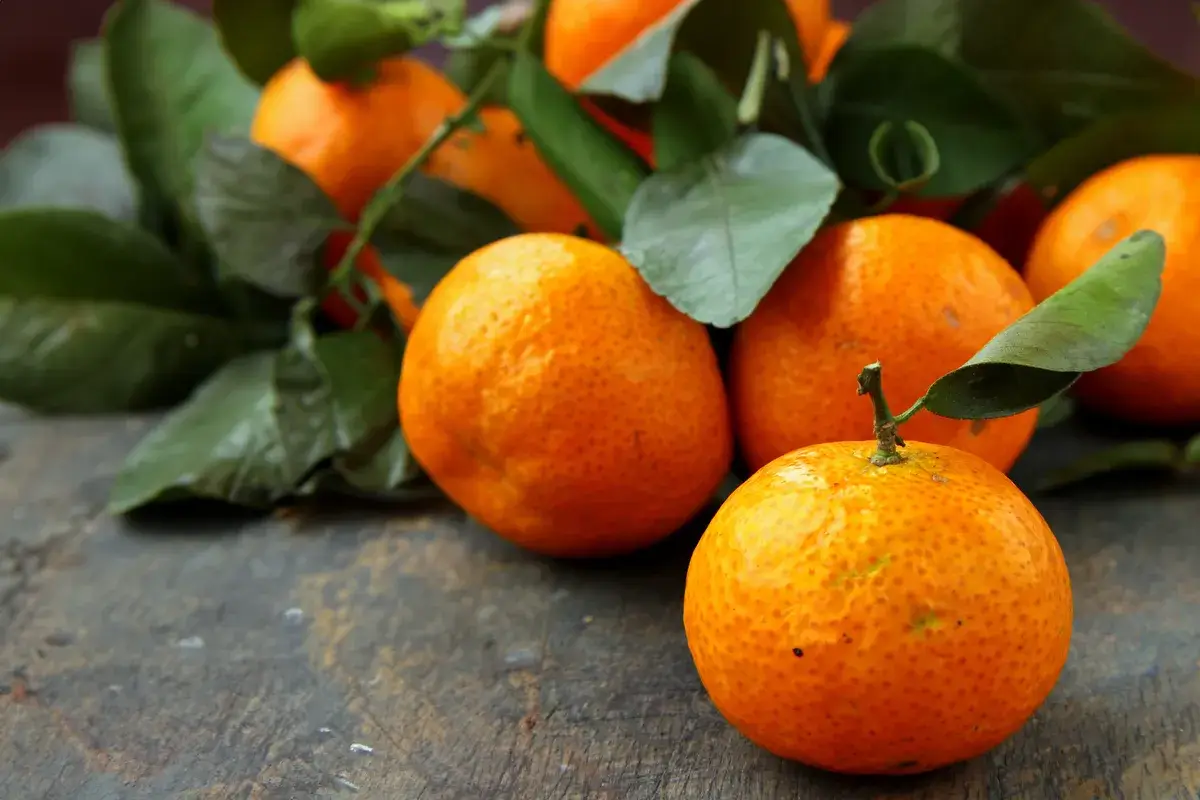
Every February the citrus world converges in Berlin for Fruit Logistica, the planet’s most influential fresh-produce trade fair. This year the Valencian company Bagu is turning heads by presenting the technical dossier that backs its new XLO clementine—a variety designed to kick-start the season weeks earlier than usual and to arrive in distant markets such as Canada in perfect condition. Below you’ll find the key take-aways and why they matter to Latino shoppers, distributors, and restauranteurs in Toronto.
What Makes the XLO Clementine Different?
Bagu’s breeders focused on three pain points that often frustrate North-American importers:
- Ultra-early maturity: XLO colors and sweetens while many orchards are still green, giving exporters a head start of 2–3 weeks.
- Flavor stability: High Brix (sugar content) is retained even after long logistics chains, so consumers taste the same honey-like profile that Spaniards enjoy at origin.
- Strong skin integrity: A slightly thicker flavedo (peel) minimizes rind breakdown and juice leakage—two leading causes of retail shrink.
Scientific Validation: 25 Days Under Cold Treatment
At Fruit Logistica, Bagu will also release a second study carried out by the reputable Instituto Valenciano de Investigaciones Agrarias (IVIA). Lab and pilot-scale trials demonstrated that XLO clementines maintain commercial quality for up to 25 days when stored at the strict “cold-treatment” temperatures required to control Mediterranean fruit fly.
Why is that important? Sea freight from Valencia to the Port of Montreal averages 10–12 days, followed by rail or truck transit to Toronto. Add port inspections and warehouse turn-around, and the supply chain can stretch to 18–20 days. XLO’s 25-day tolerance gives importers a generous safety buffer, reducing waste and insurance costs.
Cold Treatment 101
“Cold treatment” is an internationally accepted phytosanitary protocol: fruit must be chilled to 0–2 °C for a continuous period (often 14+ days) to eliminate any hitchhiking fruit-fly larvae. Many varieties suffer juice sac granulation or peel pitting under those temperatures. IVIA’s study confirms that XLO’s cell structure remains intact, a breakthrough for the early clementine segment.
Implications for Toronto’s Latino Community
Latinos in the GTA consume citrus not only as a snack but also in aguas frescas, ceviches, and traditional holiday desserts. An earlier, fresher arrival of Spanish clementines means:
- Better timing for cultural events: XLO could land before Día de la Candelaria and the early-spring fiestas many communities celebrate.
- Consistent flavor: No more watery mandarins during February–March; XLO brings the sweetness we grew up with.
- Stable supply for small businesses: Latin groceries and food trucks can lock in programs without fear of mid-season gaps.
What’s Next?
Bagu is actively negotiating trial containers with Canadian importers. If phytosanitary paperwork moves fast, limited volumes could hit Toronto shelves as early as March next year. Larger commercial programs are projected for the following season, once acreage in Valencia, Castellón, and Almería reaches full production.
Takeaway
The combination of ultra-early harvest, proven cold-tolerance, and verified flavor stability positions XLO as a game-changer for Canada’s winter citrus window. Toronto’s Latino community—always on the lookout for the taste of home—stands to be one of the biggest winners.