
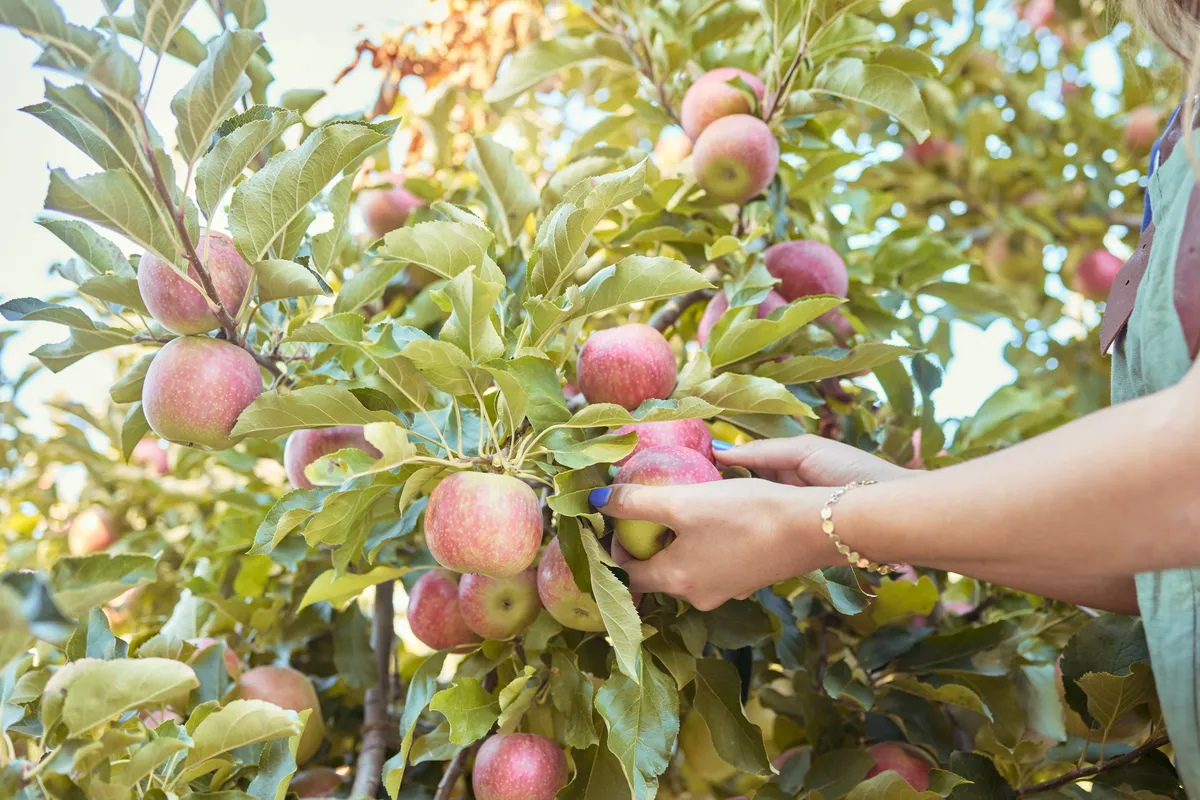
Whether you slice them for an afternoon snack or bake them into a classic pastel de manzana, apples are a staple in many Latino households across Toronto. Yet behind every crisp bite is a complex supply chain now facing serious headwinds in the United States, Canada’s primary source of fresh apples. Here’s a detailed look at why production costs are surging, how shifting inventories are squeezing grower margins, and what it could all mean for your grocery bill in the GTA.
Why Are Production Costs Climbing in U.S. Orchards?
Labor expenses: Farm-worker wages in key apple-producing states like Washington and New York have risen 8–12 % in the past year, driven by tighter immigration policies and higher minimum wages.
Inputs and supplies: Fertilizers, pesticides, and fuel have surged up to 30 % since 2022. Packaging materials—particularly corrugated cardboard and plastic liners—now cost nearly double what they did five years ago.
Logistics & energy: Cold-storage facilities, essential for keeping apples fresh through the winter, must absorb higher electricity rates. Meanwhile, domestic freight rates remain elevated, adding yet another layer of cost before an apple even crosses the border into Canada.
Inventory Shifts and Market Impact
On top of rising costs, storage dynamics have flipped. A larger-than-expected 2025 harvest filled warehouses, but soft export demand and a strong U.S. dollar slowed international sales. Cold rooms are fuller, yet growers can’t capitalize because farm-gate prices—the prices paid at the orchard—have slipped 6 % compared with last season.
Margin Squeeze on Growers
The uncomfortable mix of higher expenses and lower selling prices leaves many producers operating close to breakeven. Some smaller orchards are delaying new plantings or pulling older trees early to cut future costs.
Ripple Effects for Canadian Importers and Shoppers
Toronto wholesalers depend heavily on U.S. shipments from October to May. If growers trim production or exit the market entirely, importers could face tighter supply windows—especially for popular varieties like Honeycrisp and Gala.
Potential Price Adjustments
Retailers typically pass at least part of their cost increases down the line. While weekly specials will still appear, expect fewer rock-bottom promotions and more modest “sale” prices.
Quality and Variety Considerations
Full warehouses sound positive, but extended storage can affect firmness, sweetness, and juiciness. Importers may pivot to fresher arrivals from Ontario or South America in late spring to maintain quality standards.
How U.S. Growers Are Adapting
Many orchards are accelerating mechanization—from automated pruning rigs to optical grading systems—to curb labor dependency. Others are trialing new, higher-density planting systems that yield more fruit per acre with fewer resources.
Innovation in club varieties (think Cosmic Crisp or SweeTango) continues as growers chase higher premiums that offset rising costs, though licensing fees can be steep.
Smart Shopping Tips for Latino Families in Toronto
- Compare origins: Check labels for U.S., Ontario, or Chilean apples. Prices can vary week to week.
- Shop in season: U.S. apples are freshest in fall and early winter; switch to Southern Hemisphere fruit come late spring.
- Store wisely: Keep apples in a plastic bag in your fridge’s crisper drawer to maintain texture and flavor longer.
- Explore local varieties: Ontario growers offer Crispin, Empire, and Ambrosia that often rival U.S. imports in taste and price.
Bottom Line
Higher production costs and shifting inventories are reshaping the U.S. apple landscape. While supply to Toronto will remain steady in the near term, expect gradual price upticks and occasional variety gaps. Staying informed—and flexible—will help you keep your fruit bowl full without breaking the bank.