
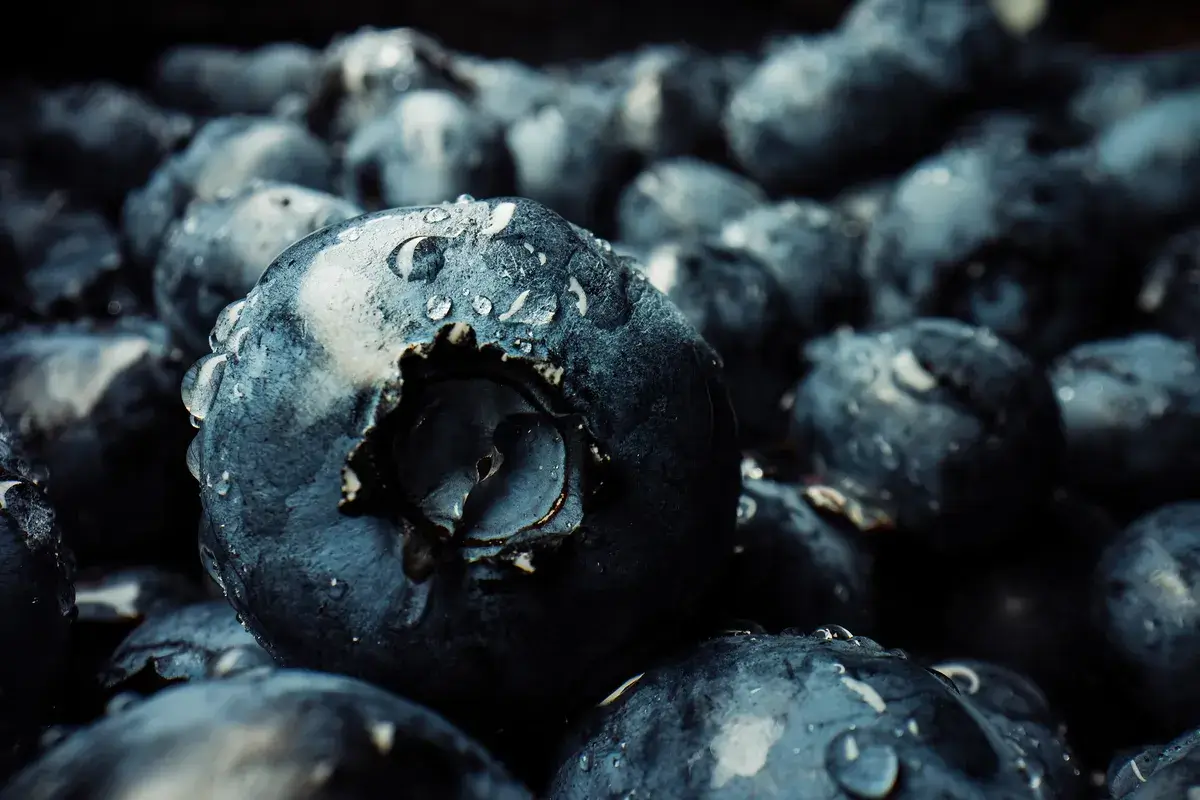
Blueberries that arrive in Canadian supermarkets during the darkest winter weeks normally come from Peru or Chile, but a new Spanish variety called Tropical Blue is quietly rewriting that calendar. Recent commercial field visits in Huelva, Spain, confirmed that this cultivar ripens a full three to four weeks earlier than standard European blueberries, positioning it as a strategic game-changer for importers who want fruit on Toronto shelves before Valentine’s Day.
Why Huelva, Spain, Matters for Canadian Berry Lovers
Huelva sits on Spain’s Atlantic coast, enjoying mild winters, abundant sunlight and sandy soils—perfect conditions for early berry production. Because Spain is closer to Canada than South America, transit times can shrink from 18–20 days by sea to roughly 10–12, or just 48 hours by air. That faster route means fresher berries with a longer shelf life once they hit Toronto’s Latin grocery stores and mainstream chains alike.
What Makes “Tropical Blue” Different?
Ultra-early flowering: The variety breaks dormancy in late November, when most Northern Hemisphere plants are still dormant.
Compact but productive bushes: Growers report up to 18 tons per hectare, even under protective tunnels.
Sugar–acid balance: Brix readings average 13–14, giving the berry a sweet pop that suits both fresh snacking and dessert use—an attribute consumers familiar with tropical fruits appreciate.
Firm skin: A thicker cuticle reduces bruising, critical for the long haul to North America.
Supply Chain Implications for Toronto
For Latino-owned distributors in the GTA, Tropical Blue offers two strategic advantages:
- Calendar gap coverage: The berries can fill store shelves in January, just as Peruvian volumes wane and before Mexican supplies ramp up.
- Reduced freight volatility: Shorter routes mean less exposure to Panama Canal delays or South American port strikes—events that have plagued winter berry logistics in recent years.
Early adopters in the Ontario market report that even at a modest premium, consumer pull-through has been brisk because shoppers are willing to pay for fresh, flavorful fruit when options are limited.
Flavor & Culinary Uses Embraced by Latinos
Beyond the typical bowl of cereal, Latino cooks are folding Tropical Blue berries into batidos (smoothies), spooning them over arroz con leche, and baking them into alfajores for a tart-sweet twist. Their deep blue color holds up during cooking, and their pop of acidity balances sugary desserts common in Latin cuisine.
Sustainability and Quality Control
Spanish growers have leaned on integrated pest management and drip irrigation, reducing water usage by up to 30 % compared with traditional open-field blueberry systems. Each shipment to Canada is backed by a full traceability log—field, harvest crew, and cold-chain temperatures—helping meet the increasingly stringent food-safety audits required by Canadian retailers.
Looking Ahead: Will We See Tropical Blue Everywhere?
Plantings in Huelva are still modest—about 150 hectares—but nurseries are sold out through 2026. If expansion continues at current rates, Toronto could see consistent volumes of Tropical Blue every January within three years. For Latino entrepreneurs looking to differentiate their produce offerings, signing early supply contracts may lock in pricing before demand pushes it higher.
In short, Tropical Blue represents more than a new berry; it is a shift in the fresh-fruit clock. Whether you’re a distributor, retailer, or just a blueberry fan craving a taste of summer in the depths of a Canadian winter, keep an eye out for these Spanish gems the next time you shop.