
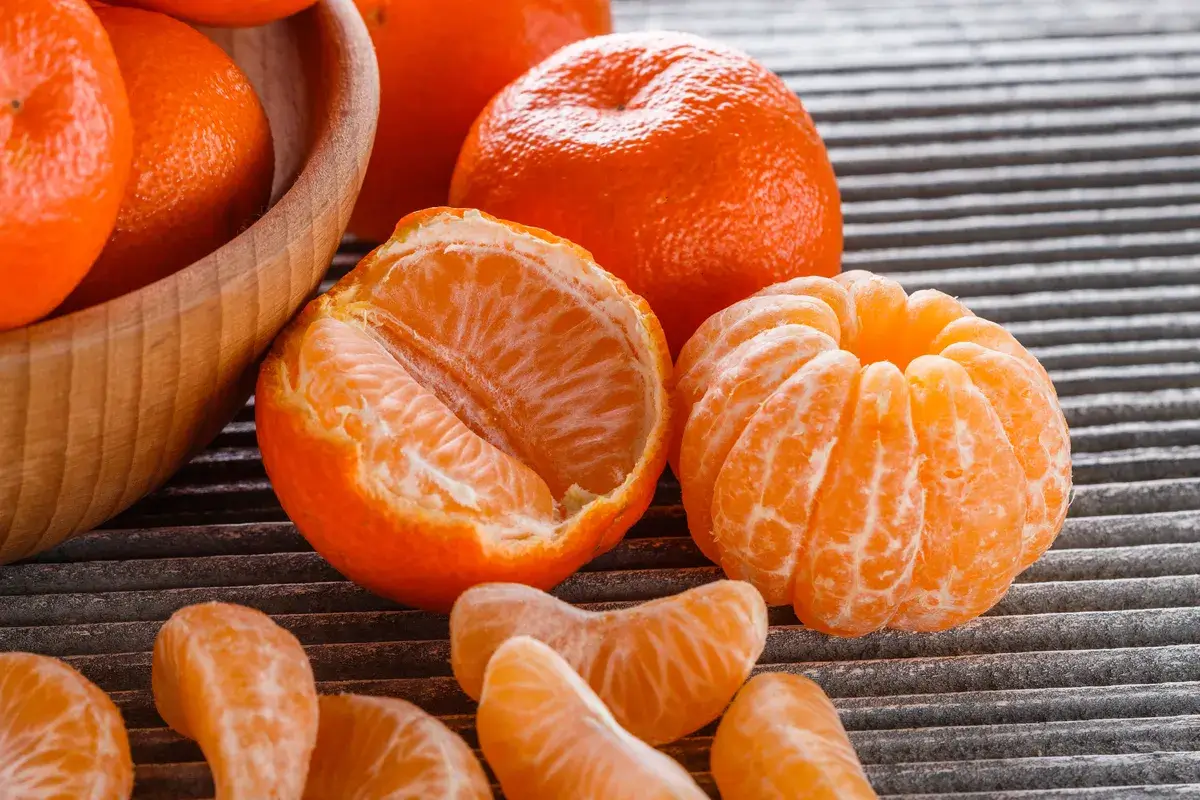
If you grew up in Latin America, chances are that biting into a juicy mandarina brings back memories of sunny plazas and family gatherings. Now a new variety—Tango Fruit, the seedless mandarin—is making waves abroad and could soon become a favorite snack for Latinos living in Toronto.
What Makes Tango Fruit Special?
Tango Fruit is a late-season, seedless mandarin developed in California that combines the flavor punch of classic mandarinas with the convenience of no seeds. Its peel comes off easily, the segments separate neatly, and the fruit stays firm even after long journeys—perfect for today’s global supply chains.
Flavor & Texture
Expect a balanced mix of sweetness and bright acidity, plus an aromatic skin rich in essential oils. This balance makes Tango Fruit versatile: children love it straight out of the peel, while chefs use the zest for dressings, marinades, and desserts.
Global Roll-Out Timeline
According to growers, by 2026 Tango Fruit will be commercialized in ten key markets:
South Africa, Portugal, Italy, Spain, France, Belgium, the Netherlands, Germany, Poland, and Luxembourg.
The choice of these markets is strategic. Europe values high-quality citrus but struggles with seedless supply in late winter. South Africa provides counter-seasonal production, guaranteeing year-round availability.
Why This Matters for Canadians—Especially Latinos in Toronto
Toronto’s Latino community already drives demand for specialty produce such as lulo, guava, and Peruvian mandarins. Importers follow consumption trends closely, and a successful European debut is often the last step before Canadian grocery chains give an item shelf space. If Tango Fruit can maintain its reputation for taste and shelf-life, expect trial shipments to arrive at the Ontario Food Terminal within a couple of seasons after the European launch.
Potential Benefits for Consumers
- Convenience: Seedless segments mean less mess in lunch boxes and salads.
- Nutrition: High in vitamin C (one fruit covers ~40 % of daily needs), folate, and potassium.
- Low-Waste: Its long post-harvest life reduces spoilage, important for household budgets.
The Grower Perspective
Licensing agreements ensure that only certified orchards can use the “Tango Fruit” name. Growers pay royalties but receive agronomic support on pruning, irrigation, and disease management. This quality-control system resembles those for Honeycrisp apples or Chilean grapes and helps build consistent branding across continents.
What Could Delay a Canadian Launch?
- Pest-free certification: Canada requires strict phytosanitary protocols.
- Logistics costs: Higher freight rates may push importers to prioritize products with established demand.
- Market overlap: Tango Fruit’s season might clash with Peru’s mainstream mandarin shipments, forcing retailers to choose.
How to Enjoy Tango Fruit When It Arrives
• Toss segments into a winter salad with avocado, queso fresco, and pepitas.
• Blend the juice with sparkling water and a splash of agave for a sugar-smart refresco.
• Candy the peel with piloncillo syrup for a modern spin on classic “cáscaras” desserts.
Keep an eye on your local Latin markets and big-box grocers—Tango Fruit could be the next citrus sensation to brighten Toronto’s winters.