
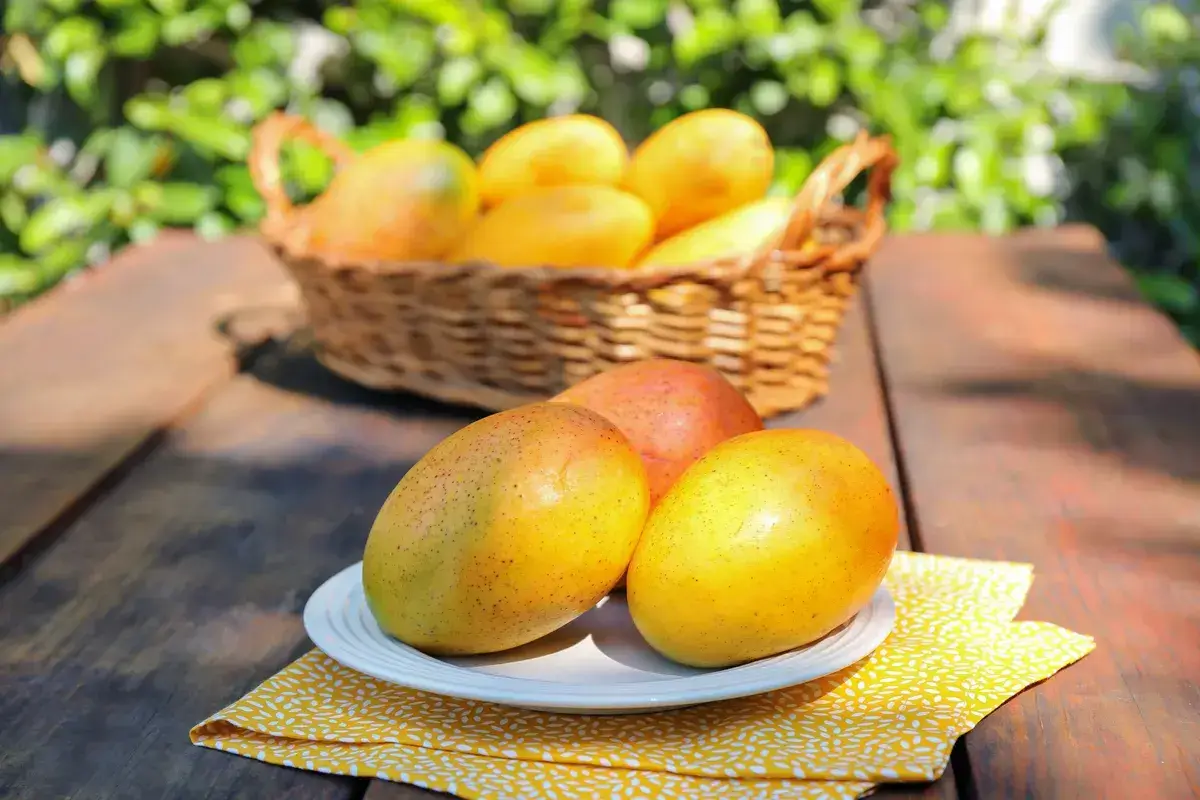
Michoacán’s mango growers have long delighted North American palates, but the next growth spurt for this golden fruit is unfolding much farther away. Asia and the Middle East are emerging as premium destinations, and a proposed autóctono quality seal could turbo-charge that expansion. Below, we unpack why these distant markets matter, how a quality label could tip the scales, and why Torontonians—especially Latinos—should keep an eye on every juicy development.
Why Asia and the Middle East Are Hungry for Mexican Mangoes
Explosive demand: Rising middle classes in cities like Dubai, Riyadh, Singapore, and Seoul are embracing exotic fruits as symbols of wellness and status. Mango consumption is projected to grow by double digits in several of these hubs over the next five years.
Supply gaps: India, Pakistan, and Thailand dominate local mango seasons, but off-season windows leave shelves empty—precisely when Michoacán’s harvest peaks (March–June). Retailers are actively scouting counter-seasonal suppliers.
Demographics and Taste Preferences
Younger consumers (18-35) in Asia and the Gulf states gravitate toward ready-to-eat produce. Mexican mangoes, with their high Brix levels and fibrous-free texture, hit the sweet spot for smoothies, desserts, and premium gifting boxes.
Michoacán’s Competitive Edge
Climate advantage: Volcanic soils and a subtropical microclimate produce varieties—Ataulfo, Tommy Atkins, Kent—with distinct sweetness and shelf life.
Established phyto-sanitary protocols: Decades of exporting to the U.S. have armed growers with rigorous hot-water treatment know-how, HACCP certifications, and traceability systems—credibility that Asian importers value.
Varietal Diversity Equals Market Flexibility
While Ataulfo captivates Japanese dessert chains for its buttery flesh, the firmer Tommy Atkins travels well to the UAE’s humid ports. Having multiple cultivars allows shippers to tailor loads by destination.
The Role of an Indigenous Quality Seal
Industry leaders are proposing a “Mango de Origen Michoacano” label, similar to tequila’s denomination of origin.
Trust and Traceability
A seal would certify:
- Exact geographic provenance (municipality-level mapping)
- Sustainable irrigation and integrated pest-management practices
- Minimum sweetness (≥15° Brix) at packing
In Asian and Middle Eastern cultures where gifting premium fruit is common, an official emblem reassures buyers of authenticity—commanding price premiums of 10-15% in pilot exports.
Logistics: From Uruapan Orchards to Dubai Supermarkets
Sea freight: A refrigerated container from Manzanillo to Jebel Ali takes ~25 days. Advanced controlled-atmosphere packaging extends shelf life to 35 days, reducing shrinkage below 5%.
Air freight: For high-end hospitality clients in Qatar, air shipments shave transit down to 48 hours but add USD 1.20-1.50/kg. Niche, yet lucrative.
Cold-Chain Partnerships
Michoacán exporters are partnering with Singaporean 3PLs that specialize in tropical fruit staging, ensuring seamless hand-offs from vessel to store display at ≤13 °C.
What It Means for Latino Consumers in Toronto
Seasonal overlap: When Asia and the Middle East absorb peak volumes, Canadian distributors may receive steadier, better-graded fruit—no backlog sitting in U.S. warehouses.
Price stability: Diversified demand cushions growers against U.S. market gluts, which historically caused roller-coaster pricing at Toronto’s produce terminals.
Cultural pride: Seeing a “Mango de Origen Michoacano” sticker in a Scarborough supermarket reinforces Latino heritage and showcases Mexico’s sophistication to a global audience.
Possible Community Spin-Offs
Toronto restaurateurs could leverage the new seal in menu storytelling—think tostadas de mango labeled with origin info—adding value for diners and supporting farmers back home.
Looking Ahead
For Michoacán’s mango sector, Asia and the Middle East are not just distant markets; they are catalysts for higher standards, year-round employment, and stronger brand equity. For Latinos in Toronto, each box that leaves the Port of Manzanillo carries both economic promise and a flavorful reminder of home.
Bottom line: A simple sticker could turn a beloved fruit into a global ambassador of Mexican excellence—one sweet slice at a time.