
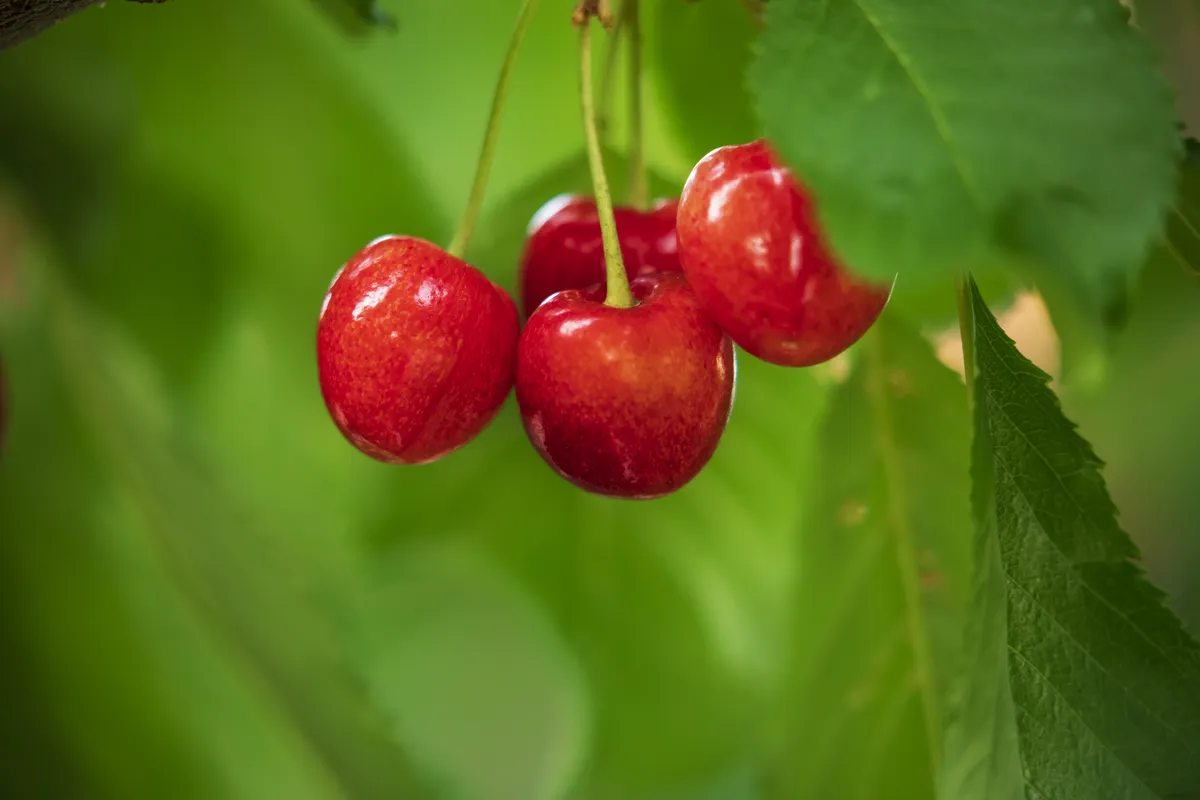
Every northern-hemisphere winter, when local orchards sleep under snow, the world looks south for fresh fruit. South Africa has seized that moment for cherries, rapidly scaling up an industry that plans to double output within the next five years. For Latino families in Toronto—who rely on winter imports for their festive tables—this surge could mean sweeter prices, better quality, and more consistent supply.
Why South Africa? A Micro-Climate Made for Cherries
High-altitude valleys in the Western and Eastern Cape mimic the cool nights and warm days cherries love, while the semi-arid Karoo provides low disease pressure. These diverse zones allow growers to stagger harvests from late October through January, neatly filling the window when Chilean volumes taper and North American orchards lie dormant.
Varietal Innovation: Beyond Traditional Cultivars
Local breeders have rolled out self-fertile varieties such as Staccato, Sweetheart, and the new SA-Early series. The benefits:
- Extended shelf life—critical for 25-day sea voyages to Canada.
- Higher firmness, reducing bruising and juice loss.
- Broader color spectrum, catering to Latino preferences for deep-red, almost mahogany fruit.
Field trials show yields climbing from the old benchmark of 8 tons/ha to 12 – 15 tons/ha in modern orchards—one of the key levers behind the projected production jump.
New Growing Regions Join the Game
Historically, cherries clustered around Ceres and Worcester. Today:
- Northern Cape: Pivot irrigation along the Orange River is converting table-grape farms to cherries.
- Free State highlands: Cooler winters offer superior chill hours, essential for emerging low-chill varieties.
- Limpopo trials: While experimental, these aim to push harvests into February, giving exporters an even longer marketing tail.
Sharpened Commercial Strategy
Growers and exporters have co-funded a dedicated cold-chain corridor through the Port of Cape Town, trimming transit to Montreal and Halifax by two days. They are also investing in controlled-atmosphere packaging, maintaining fruit at 0 °C with 90 % humidity to lock in crunch.
On the demand side, South Africa has signed phytosanitary protocols with Canada, China, and India, spreading market risk and stabilizing prices. North America already absorbs 22 % of shipments; industry forecasts this could rise to 35 % once volumes double.
Implications for Latino Shoppers in Toronto
For Torontonians who grew up with tartas de cereza and holiday ponche, fresh cherries are often a pricey luxury between December and March. A larger, more competitive South-African supply could:
- Lower retail prices by an estimated 8 – 12 % during peak import weeks.
- Introduce new flavor profiles—think crisp, moderately sweet fruit ideal for desserts like pastel de tres leches con cerezas.
- Ensure better availability for Latino grocers along St. Clair West, Kensington Market, and Scarborough.
Sustainability and Labor Considerations
Water scarcity looms over any South African crop. The cherry sector is countering by:
- Adopting micro-jet and drip irrigation, cutting water use per kilogram by 35 % since 2018.
- Investing in renewable energy; over 40 % of packhouses now run partly on solar.
- Implementing third-party social audits (e.g., SIZA) to improve housing, wages, and safety for seasonal workers, many of whom come from neighboring Lesotho and Zimbabwe.
Looking Ahead: The Numbers Behind the Boom
The country currently ships roughly 5 000 metric tons of cherries; industry analysts project 10 000 – 11 000 tons by 2029. With 70 % of that earmarked for export, Canada could receive up to 1 500 tons—enough for every Torontonian to enjoy an extra handful of cherries during the depths of winter.
Bottom line: As South Africa scales its orchards and refines its logistics, Latino households in Toronto can look forward to a more abundant—and affordable—taste of summer exactly when they crave it most.