
Every winter, when orchards across Canada are blanketed in snow, South Africa quietly becomes one of the most important sources of fresh apples and pears for North American markets. This year, Latino families in Toronto can look forward to biting into those crisp, juicy fruits even sooner than usual.
Why South Africa Matters in Winter Fruit Supply
Between January and April, South Africa fills the gap left by Northern Hemisphere growers. Its opposite-season harvest supplies Canadian supermarkets with Gala, Fuji, Granny Smith apples and a wide range of pears such as Packham’s Triumph and Forelle. For Latino households that cherish fresh produce for jugos, postres and healthy lonches, these imports are a seasonal lifesaver.
An Early Start: 7–10 Days Ahead of Schedule
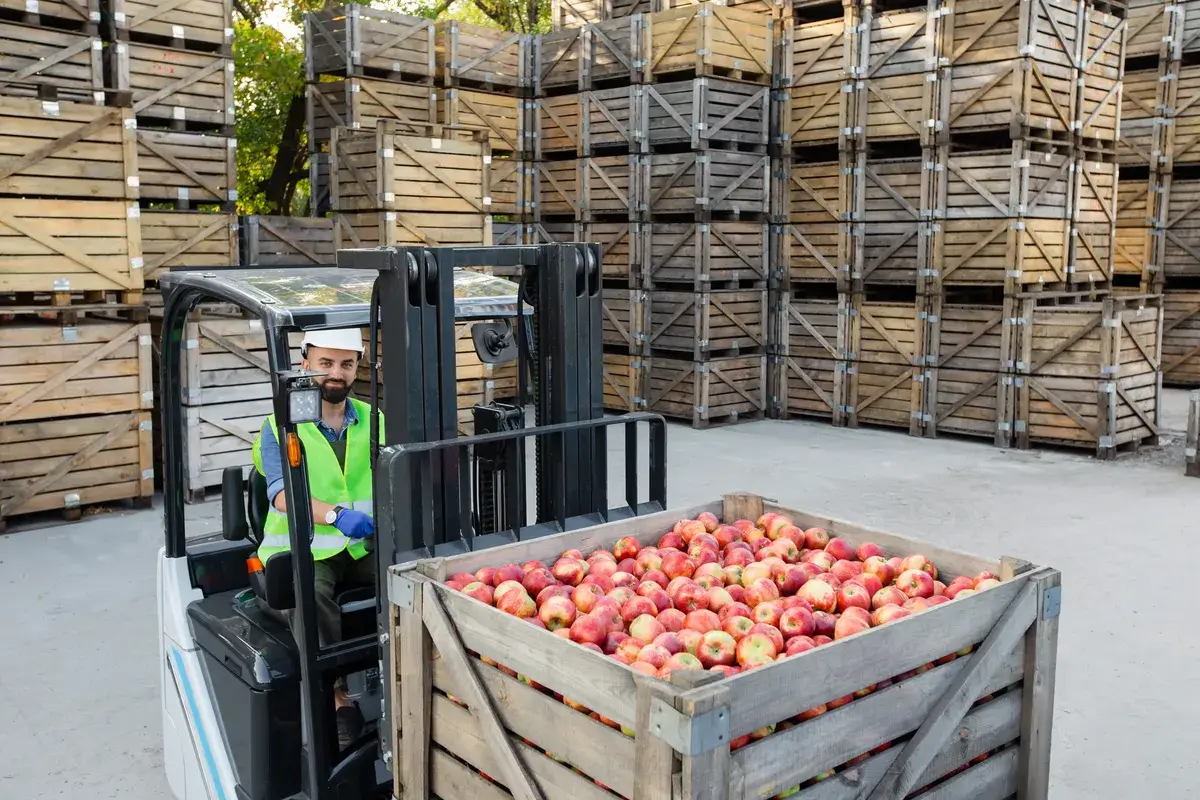
Growers report that pomáceas—an umbrella term for apples and pears—started leaving the orchards seven to ten days earlier than normal. Although a single week may sound minor, it compresses picking, packing and shipping timelines, pushing fruit onto ocean vessels at a faster clip. In practice, that could translate into Canadian wholesalers receiving their first containers by late February rather than early March.
What Triggers an Early Harvest?
South Africa enjoyed a run of warm days followed by cooler nights that sped up color development and sugar accumulation in the fruit. Since many growers irrigate with precision, trees remained stress-free, letting fruit mature ahead of historical averages.
Quality Outlook: Crispness and Sweetness on Point
Early harvests sometimes raise concerns about underripe fruit, but industry testers have logged high brix levels (natural sugars) and excellent firmness so far. That means apples will hold their crunch and pears will ripen evenly on your kitchen counter—perfect for classic Latino recipes like peras al vino or manzana-canela oatmeal.
Market Impact in Toronto
For retailers in the GTA who cater to diverse communities, the accelerated arrival offers two advantages:
- Longer selling window: Stores can feature South African apples and pears earlier, bridging the freshness gap before local spring produce appears.
- Stable pricing: A smooth, front-loaded harvest reduces the risk of tight supply spikes later in the season, keeping prices predictable for budget-minded shoppers.
Shopping Tips for Latino Consumers
1. Look for country-of-origin stickers that read “Product of South Africa.”
2. Choose firm fruit with unbroken skin; slight scuffing from long voyages is cosmetic and harmless.
3. Store apples in the fridge crisper; let pears ripen at room temperature, then refrigerate to hold sweetness.
4. Turn slightly overripe pears into licuados or bake them with canela and piloncillo for a quick dessert.
Bottom Line
The early start to South Africa’s apple and pear season is more than an agricultural footnote—it means that Toronto’s Latino community will have quicker access to affordable, fresh fruit in the heart of winter. Keep an eye on your local mercado; those first shipments are already on the water.