
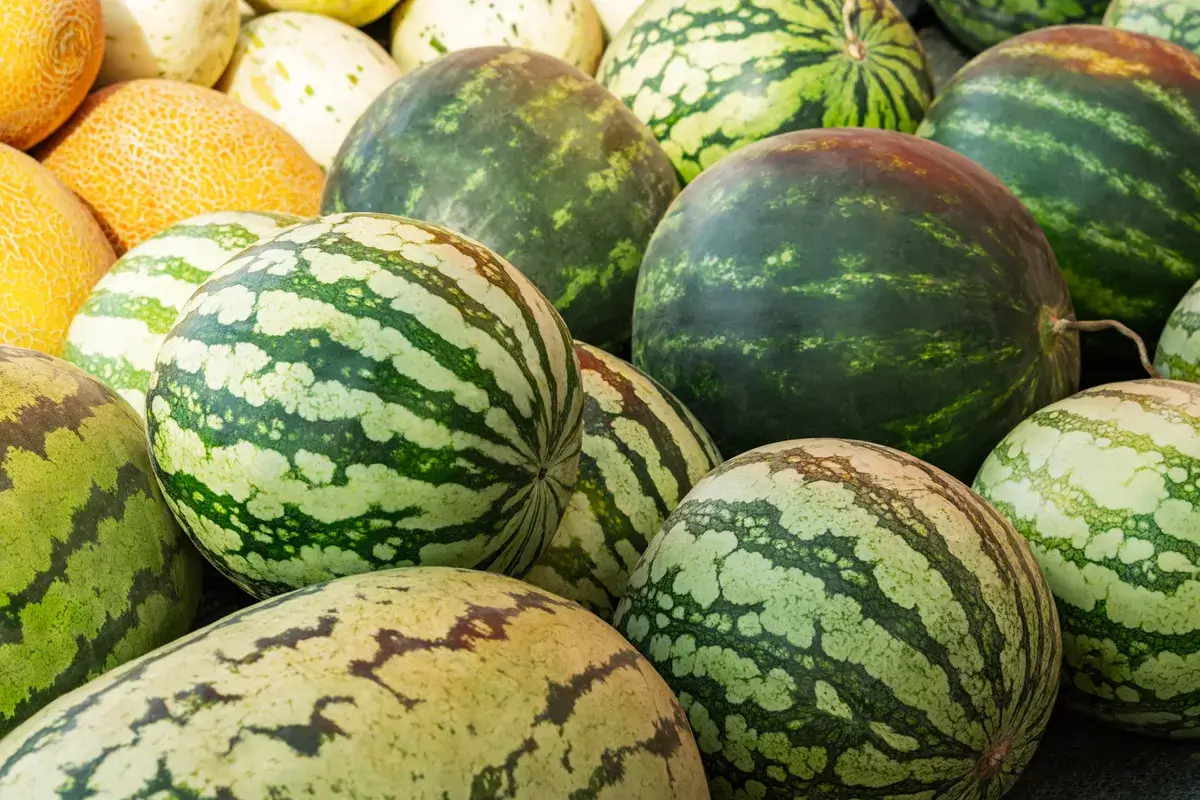
When Panama ramps up its fruit season, the ripple effects aren’t confined to Central America. Over the next three months, the country plans to ship more than 700 refrigerated containers of watermelon and cantaloupe across the Atlantic—an operation that could interest Latino distributors, grocers, and consumers right here in Toronto.
Panama’s Growing Role in the Global Fruit Trade
With its tropical climate and two annual harvest cycles, Panama can supply fresh fruit precisely when Europe faces winter shortages. Thanks to modern irrigation systems in provinces like Herrera and Los Santos, growers achieve high sugars (Brix levels) that European buyers demand. Each 40-foot reefer container typically carries 20–22 metric tonnes of fruit, so the announced shipments represent roughly 15,000 tonnes hitting European docks between now and early spring.
Why Europe Wants Panamanian Watermelons and Melons
European importers favor Panama for three main reasons:
1. Seasonality: Harvest peaks from late December to April, complementing Spain’s and Italy’s off-seasons.
2. Transit Time: Direct Atlantic routes get fruit to Rotterdam, Antwerp, and Hamburg in 11–13 days—fast enough to preserve freshness.
3. Certifications: Most Panamanian farms are GlobalG.A.P.-certified, meeting strict EU pesticide and traceability standards.
Economic Impact at Home: 3,000 New Jobs
The export push is expected to generate around 3,000 direct jobs in farming, packing, cold-chain logistics, and port services. Indirectly, ancillary sectors—box manufacturing, agro-inputs, and local transport—also receive a boost, reinforcing economic dynamism in rural communities.
What This Means for Latino Entrepreneurs in Toronto
Although these containers are headed to Europe, the initiative reveals several takeaways for our community:
Import Windows: Toronto wholesalers who source in Europe could piggyback on the same seasonal window, accessing Panamanian fruit via consolidated shipments from EU hubs.
Competitive Pricing: High volumes often translate into aggressive introductory prices. Retailers catering to Latino neighborhoods may leverage deals to diversify their produce aisles.
Supply-Chain Partnerships: Panamanian exporters are actively seeking secondary markets. Bilingual Canadian intermediaries with cultural ties can position themselves as bridge builders.
Looking Ahead: Sustainability and Market Opportunities
Beyond 2026, Panama aims to expand acreage under micro-irrigation and invest in solar-powered packhouses to lower its carbon footprint—factors that resonate with eco-minded Canadian consumers. For Toronto’s Latino business owners, keeping an eye on these sustainability certifications could become a selling point on shop floors and farmers’ markets alike.
In short, Panama’s ambitious melon and watermelon campaign is more than an export headline—it’s an early signal of new trade lanes, job creation, and entrepreneurial prospects that can reach as far as the produce shelves of Toronto.