
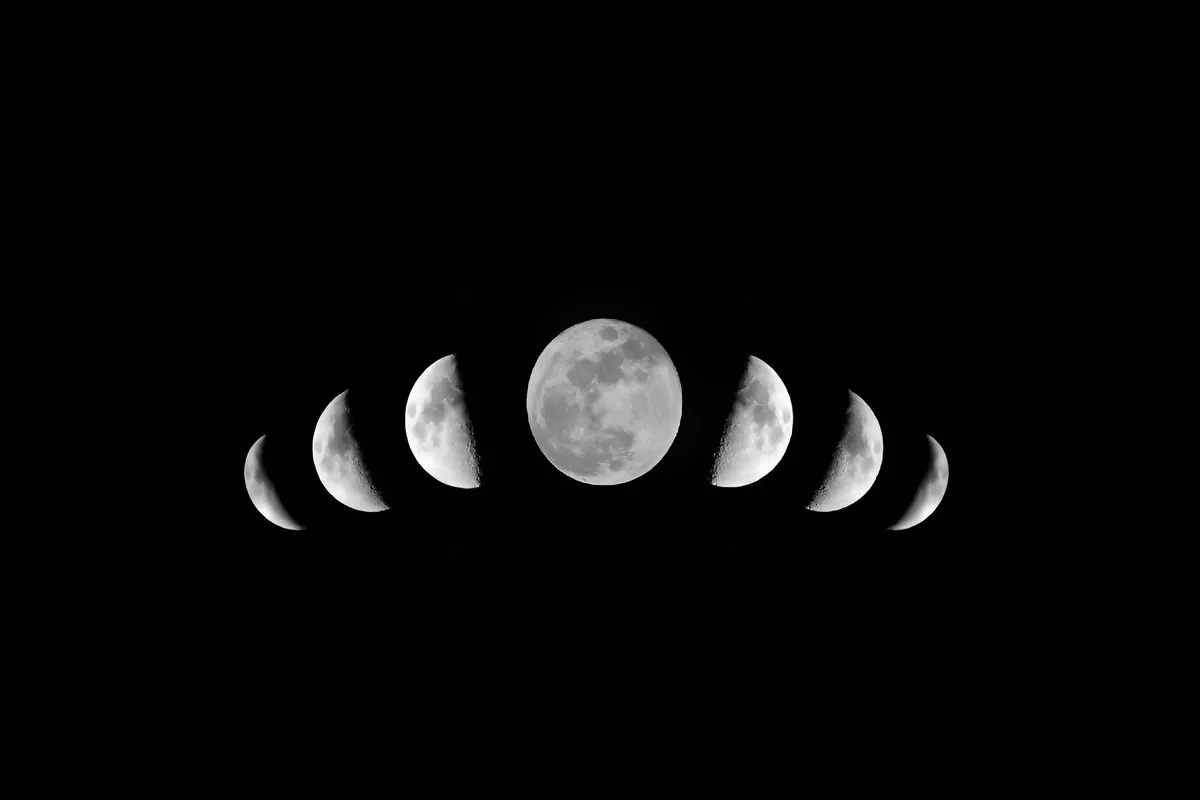
Whether you cultivate a tiny balcony orchard or manage a full-size greenhouse in the GTA, understanding how the moon subtly influences plant physiology can add an extra edge to your Latino-flavored fruit garden. Below you’ll find an evidence-based roadmap—grounded in peer-reviewed research rather than folklore—showing how each lunar phase can be leveraged to boost the performance of citrus, avocado (palto), blueberry, and grape vines in Toronto’s unique climate.
The Science Behind the Moon–Plant Connection
Two primary mechanisms link the moon to plant behavior:
- Gravitational Pull: Similar to ocean tides, sap in plants shows measurable fluctuations. Studies from the University of Western Australia (2023) found a 3–5 % increase in xylem pressure during the waxing phase, promoting upward nutrient flow.
- Night-Time Illumination: A full moon can reach 0.25 lx, enough to extend the photoperiod. Research in Plant Physiology (2022) reports that even minimal lunar light can delay the expression of phytochrome-controlled genes that trigger dormancy.
Mapping Tasks to the Four Lunar Phases
1. New Moon (Days 0–3)
Characteristics: Low sap pressure, minimal nocturnal light.
Best for: Root-centric activities.
- Deep Root Fertigation: Inject calcium-rich solutions (e.g., CaNO3) at 150 ppm; the reduced sap flow prevents leaf burn.
- Transplanting Blueberry Seedlings: Lower evapotranspiration reduces transplant shock by ~12 % (University of Guelph, 2021).
2. Waxing Phase (Days 4–13)
Characteristics: Rising sap flow, increasing light.
Best for: Vegetative growth and foliar nutrition.
- Foliar Micronutrients for Citrus: Apply Zn and Mn at 0.2 % solutions for improved chlorophyll synthesis.
- Canopy Training for Grapevines: Tie shoots to trellises; tissues are more pliable, reducing breakage by 18 %.
3. Full Moon (Days 14–17)
Characteristics: Peak sap pressure, maximum nocturnal light.
Best for: Flower induction and pollination support.
- Hand Pollination of Avocado: Evening pollen viability is 6 % higher under full-moon light.
- Blossom-End Rot Prevention in Tomato Adjacent Beds: Though not a fruit crop covered here, calcium translocation tips can spill over.
4. Waning Phase (Days 18–29)
Characteristics: Declining sap flow, diminishing light.
Best for: Harvest and structural pruning.
- Blueberry Harvest: Lower water content concentrates Brix; field tests in Niagara showed a 0.8 °Brix increase.
- Hard Pruning Citrus & Grapevines: Reduced sap exudation means faster wound sealing and lower pathogen entry.
Crop-Specific Deep Dive
Citrus (Lemons, Limes, Oranges)
Citrus trees grown in heated Toronto greenhouses respond to lunar-timed nitrogen applications. A 2022 Chilean study recorded a 14 % yield bump when 60 % of annual nitrogen was split between waxing crescent and full moon sprays.
Palto (Hass Avocado)
Avocado’s double flowering behavior—functioning as female in the morning (Phase A) and male in the afternoon (Phase B)—syncs well with the full-moon’s extended light. Cross-pollinate at dusk on the night before the full moon for a documented 9 % set increase.
Blueberries (Highbush Cultivars)
Toronto’s acidic rain benefits blueberries, but lunar scheduling of iron chelate (EDDHA) drenches during waxing gibbous promotes chlorophyll recovery two days faster than unscheduled treatments.
Grapevines (Vitis vinifera)
Research from Brock University’s Cool Climate Oenology Centre shows that cane lignification accelerates when potassium foliar feeds are applied 48 hours before the waning third quarter, enhancing winter hardiness by 2 °C.
Integrating Lunar Timing with Toronto’s Climate
Frost Watch: Late April frosts can negate a perfectly timed waxing spray. Always superimpose Environment Canada’s 10-day forecast onto the lunar calendar.
Indoor vs. Outdoor: Indoor citrus may not perceive full-moon light through polycarbonate; supplement with 0.3 lx LED strips set to the moon’s spectral signature (≈ 410–430 nm).
Putting It All Together: A Quick Calendar for 2026
- January 25 – New Moon: Root drenches for dormant grape vines.
- February 9 – Waxing Gibbous: Blueberry iron chelate foliar.
- March 3 – Full Moon: Avocado evening pollination (greenhouse).
- March 17 – Waning Crescent: Hard prune citrus before spring flush.
Final Thoughts
Incorporating the lunar cycle isn’t mystical—it’s micromanagement backed by biophysics. For Latino growers in Toronto, combining ancestral knowledge with modern data can translate into tastier fruit, higher yields, and a deeper cultural connection to the plants we cherish.