
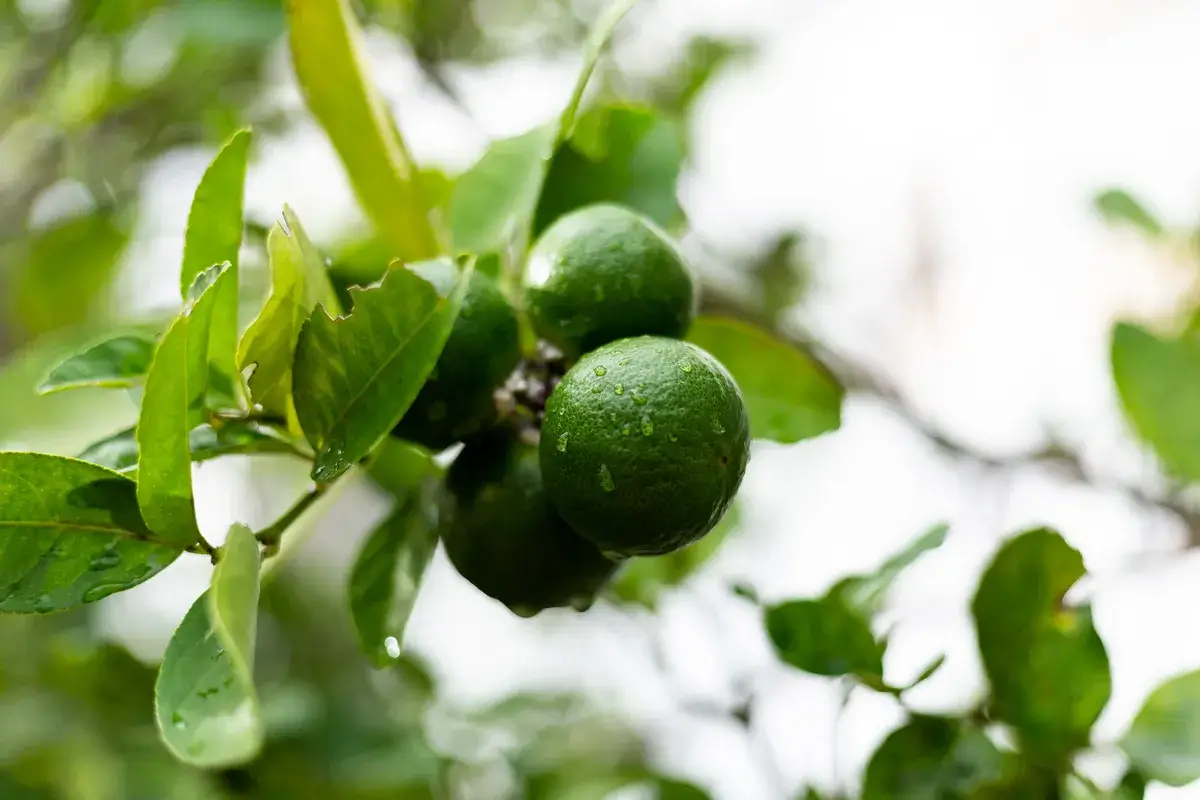
Whether you squeeze them into a morning jugo, garnish your tacos, or mix up a weekend michelada, citrus from México is part of daily life for many Latinos in Toronto. The 2025/26 harvest, however, arrives with an unusual twist: two late-season storms reshaped the country’s groves, bruising the orange crop while leaving lemons and limes relatively strong. Below is a deep dive into what happened, why it matters, and how to shop smart this year.
What Happened in Late 2025?
Between late October and mid-November 2025, Tropical Storm Raymond (Pacific coast) and Hurricane Priscilla (Gulf coast) slammed into key citrus corridors. Combined, the systems dumped more than 300 mm of rain in less than ten days across parts of Colima, Michoacán, Veracruz, and Tamaulipas. Flooding, high winds, and prolonged humidity set the stage for widespread fruit drop and fungal outbreaks.
The Path of Raymond
Raymond made landfall near Manzanillo, pushing heavy rain inland toward Jalisco’s “Citric Belt.” Young orange groves on marginal soils suffered severe root asphyxiation. Early estimates suggest up to 18 % of pre-harvest oranges in the region were lost before pickers could reach them.
The Punch from Priscilla
Only two weeks later, Priscilla swept north along the Gulf, soaking low-lying farms in Veracruz and Tampico. While winds were less destructive than Raymond’s, persistent moisture fueled Phytophthora root rot in older trees, a problem that can suppress yields for several seasons.
Why Oranges Took the Biggest Hit
Oranges, especially the Valencia and Navel varieties grown for juice and fresh sales, are more sensitive to waterlogging than other citrus. Extended saturation prevents roots from “breathing,” stalling sugar accumulation and triggering premature fruit drop. Post-storm sampling shows soluble solids down by 1.2 °Brix on average—a red flag for quality-focused juice buyers.
Lemons & Limes: The Resilient Cousins
In contrast, Mexican lemons (limón amarillo) and Persian limes (limón sin semilla) proved remarkably tough:
- Deeper root systems lend greater flood tolerance.
- Many plantings are younger, grafted onto disease-resistant rootstock developed after the 2014–2016 greening crisis.
- Peak lime harvest falls earlier (July–September), so most commercial fruit had already cleared the orchards before the storms.
The result: national projections still show single-digit production growth for both lemons and limes in 2025/26, enough to cover export commitments to the U.S. and Canada.
Export Outlook for 2025/26
Mexico ships roughly 800,000 t of fresh limes and 350,000 t of oranges abroad each year. With orange availability sliding 10–12 %, industry analysts expect processors to prioritize domestic juice demand, diverting fewer cartons into export channels. Lime export volumes, however, could inch up 2–3 % on consistent U.S. and Canadian demand.
What This Means at Your Grocery Store in Toronto
Expect pricier oranges. Wholesale orange prices at the Ontario Food Terminal have already crept 12–15 % above last year’s levels. If Florida’s crop also falters, spot prices could spike further in early spring.
Lime pricing should remain stable. With Mexico’s robust supply and complementary shipments from Colombia, lime price swings are likely to stay within the normal 5 ¢–10 ¢ per-fruit range.
Tips for Choosing Citrus During the 2025/26 Season
- Check weight vs. size. Post-storm oranges may look full but feel lighter; choose heavy fruit for better juice content.
- Give oranges an extra day on the counter—late-season fruit sometimes needs a touch more ripening.
- For limes, ignore color. Slightly yellow skin often signals peak maturity and juiciness.
- Consider Mexican lemon varieties for cooking: their thinner peel carries bold aromatics perfect for ceviche and adobo sauces.
Bottom Line
Two untimely storms bruised Mexico’s 2025/26 orange crop, but lemons and limes emerged largely unscathed. Toronto shoppers will feel the pinch mostly in orange juice and fresh orange prices, while their beloved limes for tacos al pastor should stay affordable. Keep an eye on fruit weight, support trusted produce retailers, and savor every splash of citrus that still makes its way from México’s resilient groves to your table.