
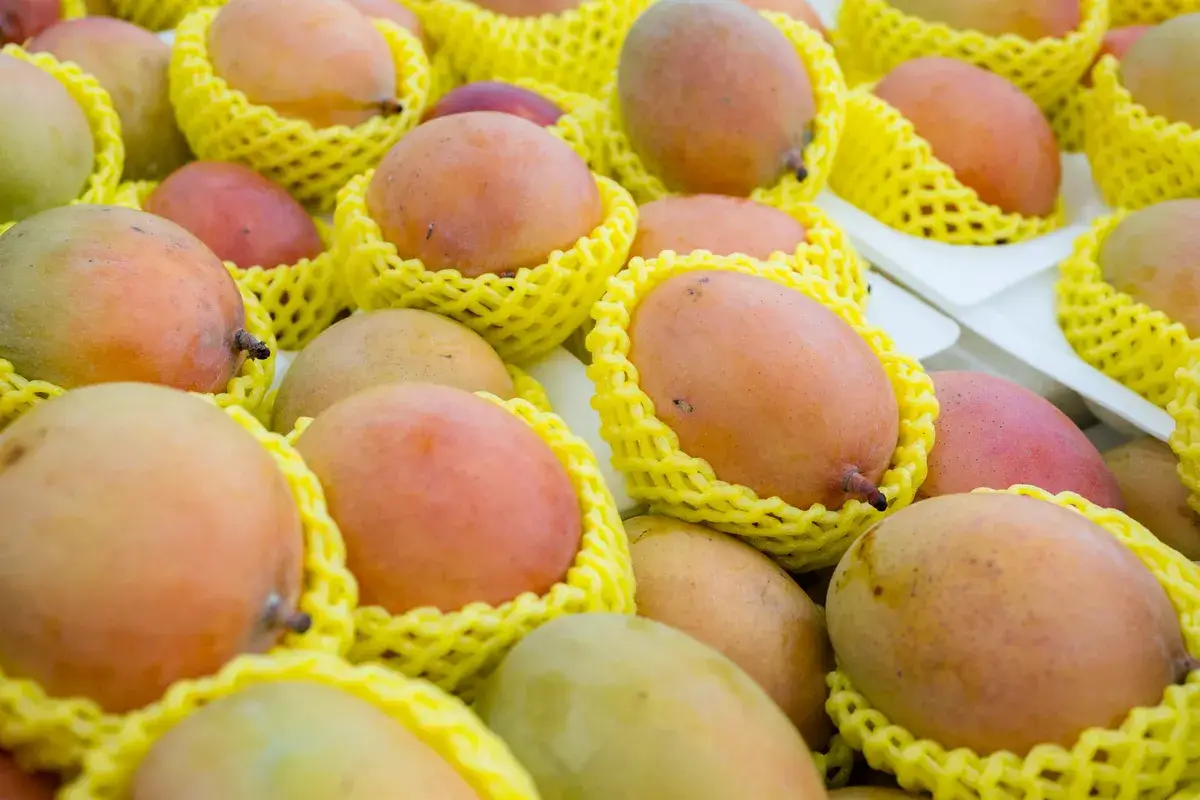
Toronto’s Latino community has never shied away from growing the flavors of home—even when the Canadian climate says otherwise. If you are determined to harvest juicy, aromatic mangos on your balcony, in a greenhouse, or at a small urban farm, understanding plant growth regulators (PGRs) and natural phytohormones is your secret weapon. This in-depth guide demystifies how these compounds work, when to apply them, and how to keep your trees healthy and productive all year long.
Why Mangos Matter to Latino Growers in Toronto
Mangos evoke memories of mercados, fiestas, and family gatherings across Latin America. Cultivating them in Toronto is not impossible, but it does demand strategic management of light, temperature, and hormones that drive flowering and fruit set. By using growth regulators wisely, you can:
- Induce off-season flowering for staggered harvests
- Control excessive vegetative growth in tight urban spaces
- Improve fruit size, color, and shelf life
- Synchronize ripening to match community events or farmers-market dates
What Exactly Are Plant Growth Regulators?
Plant growth regulators are natural or synthetic substances that influence physiological processes such as cell division, elongation, flowering, and fruit ripening. They act at very low concentrations and can be delivered through foliar sprays, soil drenches, or trunk injections.
Main Phytohormones in Mango Development
Auxins (IAA, NAA) – Encourage root initiation and prevent premature fruit drop.
Gibberellins (GA3) – Stimulate cell elongation, helping fruit reach market size.
Cytokinins (BAP, kinetin) – Promote shoot proliferation and delay leaf senescence.
Ethylene – Triggers ripening; often moderated rather than applied.
Abscisic Acid (ABA) – Regulates stress responses and enhances color development.
Synthetic vs. Natural Bioregulators
While synthetic PGRs offer precision and predictable results, many Latino growers prefer organic or bio-based regulators like seaweed extracts, moringa leaf teas, and microbial inoculants. These options align with eco-conscious values and Canadian organic standards.
Key Growth Stages & Recommended Regulators
1. Dormancy Break & Flower Induction (Late Winter)
Paclobutrazol (PBZ) is widely used to suppress vegetative growth and stimulate flowering in container or greenhouse mangos. Apply a soil drench of 1–2 g a.i. per meter of canopy diameter. Follow up with a foliar spray of potassium nitrate (2%) to initiate flower panicles.
2. Pollination & Fruit Set
Spray NAA at 20–30 ppm five to seven days after full bloom to reduce early fruit drop. Complement with a boron + zinc foliar mix to enhance pollen viability—crucial in cool spring conditions.
3. Fruit Development
Apply GA3 at 25–50 ppm two to three weeks after fruit set to improve cell expansion. For organic systems, use Ascophyllum nodosum seaweed extract (5 mL/L) every 15 days to deliver natural cytokinins and trace minerals.
4. Color Break & Ripening
When 10–15% of fruit surface shows a yellow blush, reduce nitrogen fertilization and provide a light ABA spray (100 mg/L) to intensify skin color. Avoid ethylene generators inside greenhouses until harvest timing is firmly scheduled.
Application Tips for Toronto Conditions
- Temperature Matters: Apply foliar sprays between 18–24 °C. Lower temps slow absorption; higher temps risk leaf burn.
- Water pH: Aim for pH 5.5–6.5 to prevent PGR degradation. Add a citric-acid buffer if your tap water is alkaline.
- Light Levels: Use full-spectrum LED supplementation in winter to maintain photosynthesis after PBZ treatments reduce leaf area.
- Safety First: Wear gloves, goggles, and a respirator when handling concentrates. Follow Health Canada’s label directions strictly.
Building a Sustainable Regulator Program
Combine low-dose synthetic regulators with biological stimulants to minimize chemical dependency. A simple rotation could look like this:
- Year 1: PBZ drench + organic seaweed sprays
- Year 2: Reduce PBZ by 30%, add Trichoderma soil inoculants for root vigor
- Year 3: Trial a fully organic program while monitoring yield and fruit quality metrics
Troubleshooting Common Issues
Excessive Vegetative Growth: Increase PBZ dose slightly or shorten irrigation intervals.
Poor Fruit Set: Check greenhouse humidity (ideal 60–70%) and reapply NAA.
Uneven Ripening: Verify that venting removes excess ethylene; consider selective harvest to avoid over-ripe losses.
Regulatory Snapshot for Ontario Growers
Only PGRs with a registered Pest Control Product (PCP) number may be sold or applied in Canada. Currently approved options for mango (often listed under “tropical fruit”) include:
- Gibberellic Acid (GA3) – PCP #15976
- Naphthaleneacetic Acid (NAA) – PCP #20239
- Paclobutrazol – PCP #28482
For organic certification, verify inputs with the Canadian Organic Standards (CAN/CGSB-32.310) and maintain detailed application logs.
Final Thoughts
Growing mangos in Toronto is a labor of love that blends Latin heritage with Canadian ingenuity. By mastering growth regulators and respecting plant physiology, you can walk into your kitchen with a basket of homegrown mangos—no passport required. ¡A sembrar se ha dicho!