
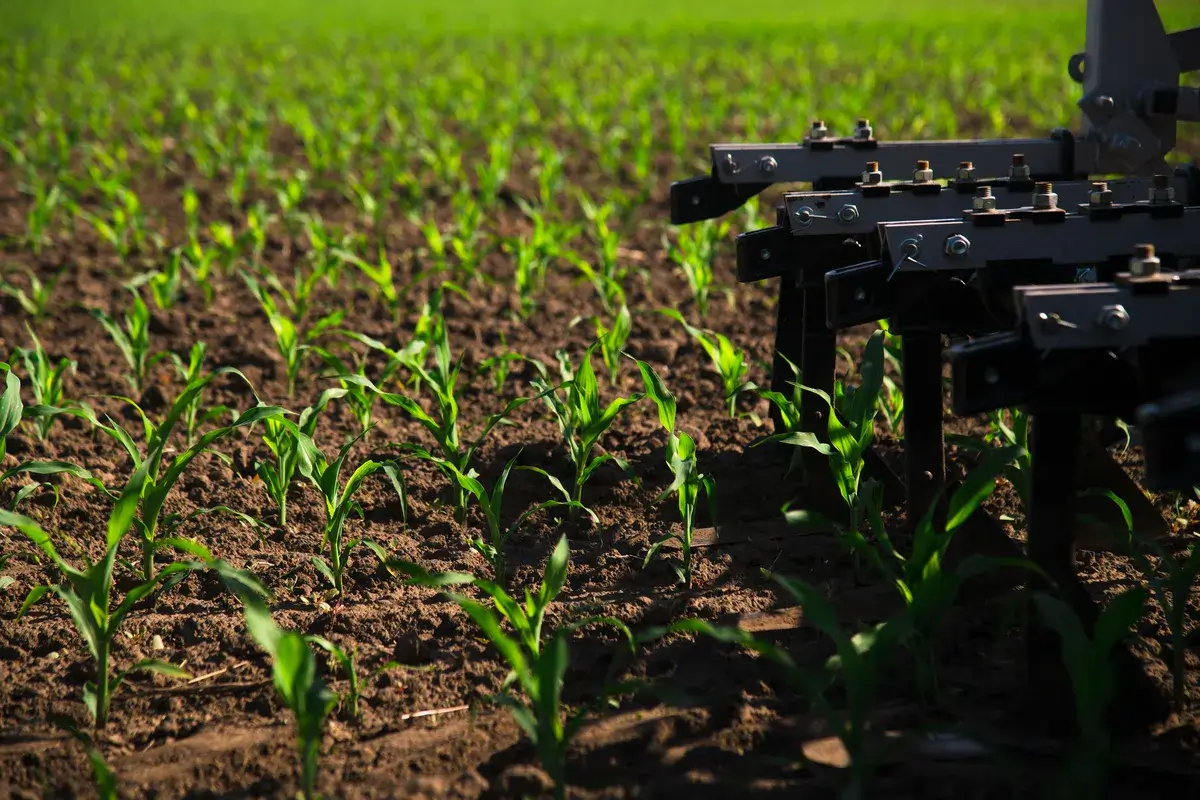
As technology reshapes every corner of our lives, the countryside is no exception. A new generation of agricultural robots—led by a four-legged “Agro-Dog” brimming with artificial intelligence—is stepping onto fields worldwide. For the Latino community in Toronto, many of whom maintain deep ties to farming back home or dream of ag-tech careers here in Canada, this shift signals fresh opportunities and challenges worth understanding.
Why Agricultural Robots Matter
Fully automated orchards and greenhouses are still on the horizon, yet field robots are already boosting efficiency, precision, and sustainability. Tasks that once demanded long hours of manual labor—from monitoring crop health to targeted spraying—are being handled by autonomous machines.
Key drivers behind this trend include:
- Labour shortages: Seasonal farm work is hard to staff in Canada and abroad; robotics offers a reliable alternative.
- Data-driven decisions: Sensors and AI provide growers with real-time insights, optimizing water, fertilizer, and pesticide use.
- Sustainability goals: Precise application of inputs reduces waste and environmental impact.
Meet the “Agro-Dog”
Inspired by quadruped robots that mimic canine agility, the “Agro-Dog” carries a suite of cameras, lidar, and multispectral sensors. It strolls through rows of crops scanning leaves, stems, and soil. Its AI then:
- Detects early signs of disease or pest pressure
- Maps moisture levels to optimize irrigation zones
- Flags nutrient deficiencies based on color and thermal cues
Because it walks rather than rolls, it navigates uneven terrain without compacting soil, an important advantage for delicate fruit orchards and vineyards.
How It Works Behind the Scenes
The robot’s onboard processors run convolutional neural networks trained on thousands of plant images. When it spots a suspicious leaf lesion, it compares the pattern against its database to identify likely pathogens. If confidence is low, the system uploads photos to a cloud service where deeper machine-learning models and agronomist feedback refine the diagnosis. Over time, the robot “learns” local disease variants—valuable for Canada’s diverse microclimates.
Beyond Monitoring: A Fleet of Farmbots
While the Agro-Dog specializes in scouting, other robots take on complementary roles:
- Weeding bots that use computer vision and mechanical pincers or precision lasers to eliminate weeds without herbicides.
- Autonomous harvesters equipped with soft grippers and force sensors to pick delicate fruits like strawberries and blueberries.
- Drone sprayers that deliver micron-level mist only where needed, reducing chemical runoff.
Implications for Latino Growers and Professionals in Toronto
Ontario’s specialty crop sector—think greenhouse tomatoes, tender fruits, and fresh herbs—stands to benefit as robotics cuts input costs and ensures consistent quality. For Latino entrepreneurs, engineers, and agronomists, skills in AI, robotics maintenance, and data analytics will be in high demand. Community colleges and universities in the GTA already offer precision-agriculture programs that bridge these domains.
Challenges to Consider
Adoption is not plug-and-play. Farmers must tackle:
- High upfront investment, though leasing models and government incentives can offset costs.
- Training needs for staff who may be new to coding or sensor calibration.
- Data privacy and ownership concerns when cloud platforms handle sensitive yield information.
The Road Ahead
Industry analysts project that global agricultural robot sales will surpass USD 15 billion by 2030. As machine vision, edge computing, and battery technology advance, expect:
- Smaller, more affordable units suitable for family farms
- Interoperability standards so multiple robots coordinate seamlessly
- AI models tailored to specific crops grown in Ontario’s climate
The takeaway? While fully autonomous farms remain a work in progress, today’s robots—led by the agile Agro-Dog—are already rewriting the rulebook on crop management. For Latinos in Toronto, this revolution offers both a glimpse of home-grown innovation and a pathway to future-proof careers in Canada’s dynamic ag-food sector.