
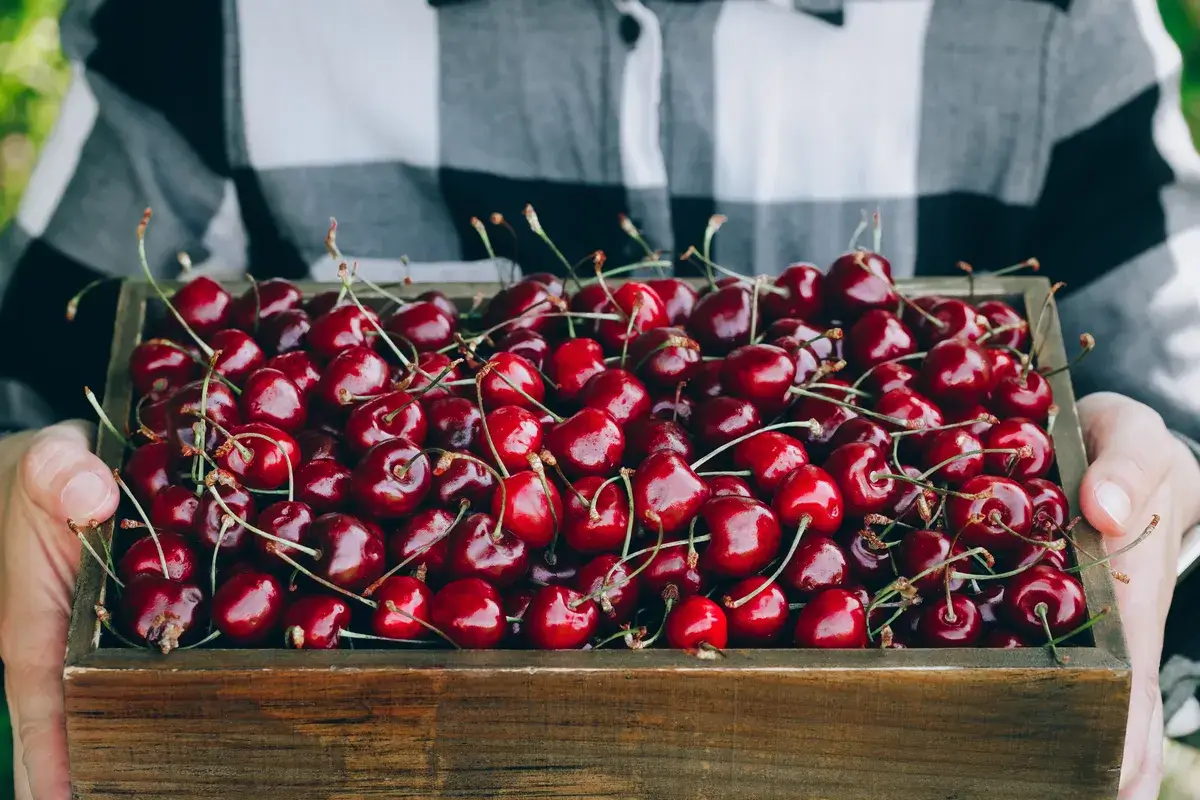
When winter hits Toronto, many Latino families crave flavors that remind them of home while still supporting their health goals. Surprisingly, one of the season’s most powerful allies is grown far from the tropics: dark sweet cherries. Recent work led by food scientist Giuliana Noratto Stevens at Texas A&M University sheds new light on how these deep-red gems can nurture your microbiome and keep your mind on point—even under the city’s gray skies.
What Makes Dark Sweet Cherries Special?
Compared with the brighter Rainier or Bing varieties, dark sweet cherries pack a higher concentration of anthocyanins—the pigments that give them their almost purple hue. Anthocyanins belong to the polyphenol family, natural compounds known for antioxidant and anti-inflammatory power. For Latinos whose traditional diets already feature polyphenol-rich foods like beans, cacao, and guava, cherries add another flavorful, health-forward layer.
Gut-Microbiome Benefits Backed by Science
Noratto Stevens and her team fed freeze-dried dark sweet cherry powder to both lab animals and human volunteers. Their findings:
- Prebiotic effect: Cherry polyphenols acted like fertilizer for beneficial bacteria such as Bifidobacterium and Lactobacillus, species linked to better digestion and immune strength.
- Less inflammation: An increase in short-chain fatty acids (SCFAs)—the anti-inflammatory molecules produced when your good microbes ferment fiber—was observed in stool samples.
- Barrier protection: Markers of leaky-gut syndrome went down, meaning the intestinal wall stayed tighter and less prone to releasing toxins into the bloodstream.
Sharper Mind Through Anthocyanins
The same bioactives that soothe the gut also appear to protect neurons. In cognitive tests, subjects who consumed cherry extracts showed improved reaction time and memory recall. Researchers believe anthocyanins cross the blood-brain barrier, reducing oxidative stress in brain regions related to learning and mood. For students balancing classes at George Brown College or professionals navigating long TTC commutes, that mental edge can be priceless.
How Many Cherries Do You Need?
Noratto Stevens’ trials used the equivalent of 1 to 1½ cups of fresh cherries per day, or about 25–30 fruits. Because dark sweet cherries are seasonal, many participants consumed them frozen or freeze-dried—forms that preserve most polyphenols.
Easy Ways to Integrate Cherries into Latino-Inspired Meals
- Oatmeal con canela y cerezas: Stir a handful of thawed cherries into warm oats with cinnamon and a dash of piloncillo.
- Salsa de cereza picante: Combine chopped cherries, jalapeño, red onion, cilantro, and lime for a sweet-heat relish over grilled pescado.
- Batido antiestrés: Blend cherries with mango, spinach, and almond milk for a fiber-rich smoothie that doubles as post-workout fuel.
- Arepas dulces: Top corn arepas with queso fresco and a quick cherry compote simmered in orange juice.
Where to Find Good Cherries in Toronto
From December to February, look for U.S.-grown dark sweet cherries in the frozen aisle at Kensington Market, Fiesta Farms, or major chains like No Frills. In late spring and summer, Ontario farmers’ markets occasionally carry locally grown stock—grab them while you can.
Pro Tip on Storage
Keep fresh cherries unwashed in a breathable bag in the fridge. Rinse right before eating to prevent mold. Freeze extras on a baking sheet first, then transfer to a container so they don’t clump.
Bottom Line
Whether you’re seeking to reinforce gut health after a heavy holiday feast or sharpen concentration during exam season, dark sweet cherries offer a delicious, research-supported boost. Add them to your repertoire, and let their vibrant flavor connect your Latin roots with the best of Canadian produce.