
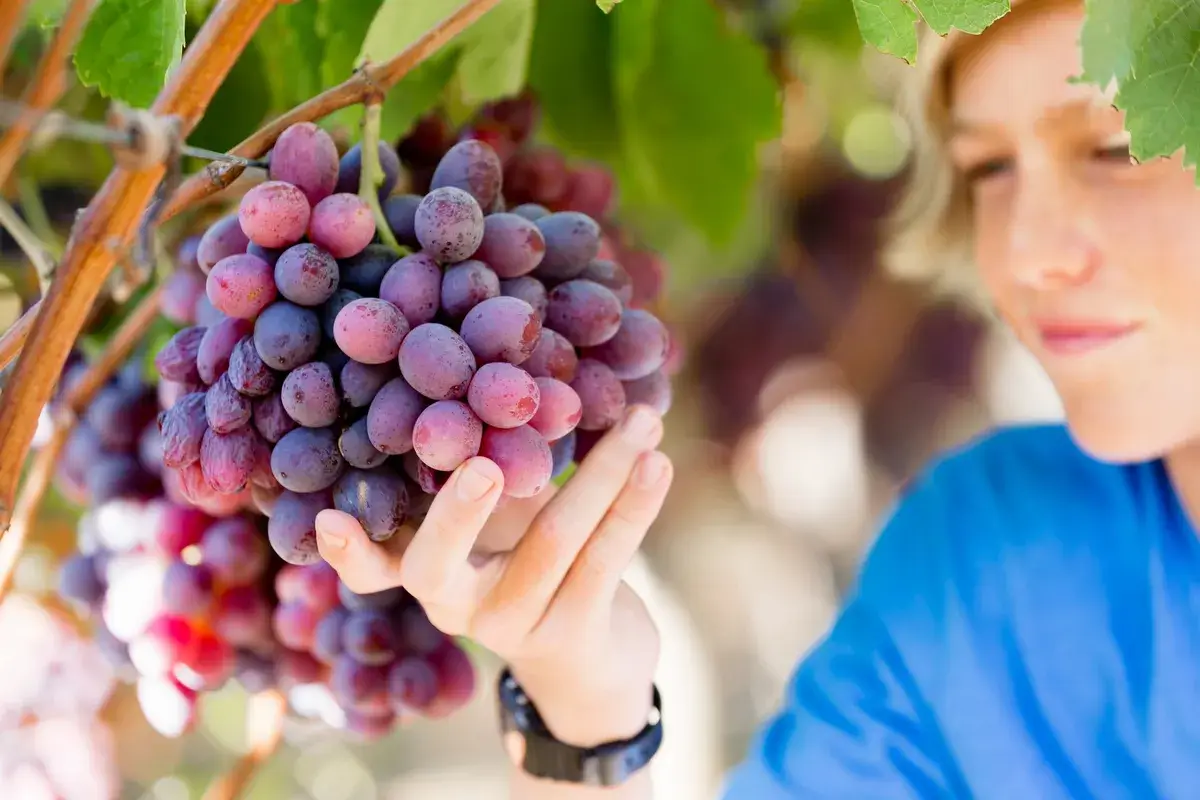
China has just set a new benchmark in the fresh-produce trade: its table-grape exports to Russia tripled in 2025, hitting 47.7 thousand tons and a record US $81 million in value. Below we unpack what is fueling this surge and why the news matters to Latino consumers, entrepreneurs, and importers based in Toronto.
The Numbers Behind the Milestone
47,700 tons of Chinese table grapes crossed into Russia last year—three times the 2024 volume. In monetary terms, revenues jumped to US $81 million, setting a historical high for the category.
How Does That Compare Globally?
While Chile, Peru, and South Africa still dominate many premium segments, China’s share of the Russian market has grown from barely 10 % five years ago to more than 30 % today. The rapid climb is putting pressure on traditional suppliers from Latin America that once enjoyed near-exclusive access during Russia’s winter months.
Drivers of the Export Surge
1. Extended Harvest Window: Advances in controlled-atmosphere storage and new late-maturing varieties such as “Sunshine Rose” allow Chinese growers to ship fresh grapes well past their conventional season.
2. Favorable Exchange Rates & Freight Costs: The yuan’s relative stability against the ruble, paired with lower rail freight prices along the China–Europe corridor, has made Chinese grapes more cost-competitive than air-freighted Southern-Hemisphere fruit.
3. Russian Market Gaps: After Western sanctions limited EU produce, Russian retailers pivoted toward alternative suppliers. China seized the opportunity with aggressive marketing campaigns at Moscow’s major wholesale hubs.
4. Government-Backed Quality Programs: Beijing’s push for “export-grade” standards—mandatory residue testing and cold-chain audits—has boosted buyer confidence in Chinese fruit.
What This Means for Latin American Growers
Chile and Peru have historically leveraged their off-season windows to supply Russia and Eastern Europe. With China now crowding the same shelf space, Latin producers may need to:
- Differentiate via premium varieties (e.g., proprietary seedless cultivars).
- Emphasize organic or Fair-Trade certifications to command higher margins.
- Explore niche retail channels like gourmet stores to avoid direct price wars.
Implications for Toronto’s Latino Community
Importers & Distributors: Expect tighter margins if Chinese grapes filter into Canadian supply chains through trans-shipment hubs. Staying agile with sourcing—Mexico in spring, California in summer, and Peru/Chile in winter—can hedge against price swings.
Retailers: The influx of competitively priced Chinese fruit in global markets may open promotional opportunities for Latino grocers to stock diverse varieties at lower cost, especially during late winter.
Consumers: More choice is on the horizon. Watch for unfamiliar Chinese cultivars—often sweeter and crisper—showing up alongside the familiar Red Globe and Thompson Seedless.
Logistics Snapshot: From Vineyard to Russian Shelves
Most shipments move by rail via the China–Kazakhstan–Russia corridor, cutting transit times to roughly 12–15 days—half the ocean freight duration from South America. Controlled-atmosphere containers keep temperatures between 0 °C and 1 °C with 90 % relative humidity, locking in freshness.
Looking Ahead
Industry analysts predict that Chinese grape exports to Russia could breach the 60 thousand-ton threshold by 2027 if current growth rates persist. For Latin American producers and Toronto-based importers, strategic diversification and value-added branding will be key to staying competitive.
Key Takeaways
- China’s grape exports to Russia jumped 3× to 47.7 k tons and US $81 M in 2025.
- Technological, economic, and geopolitical factors converged to fuel the boom.
- Latin American suppliers face fiercer competition and must pivot to premium niches.
- Toronto’s Latino community stands to gain broader variety but should monitor price dynamics closely.