
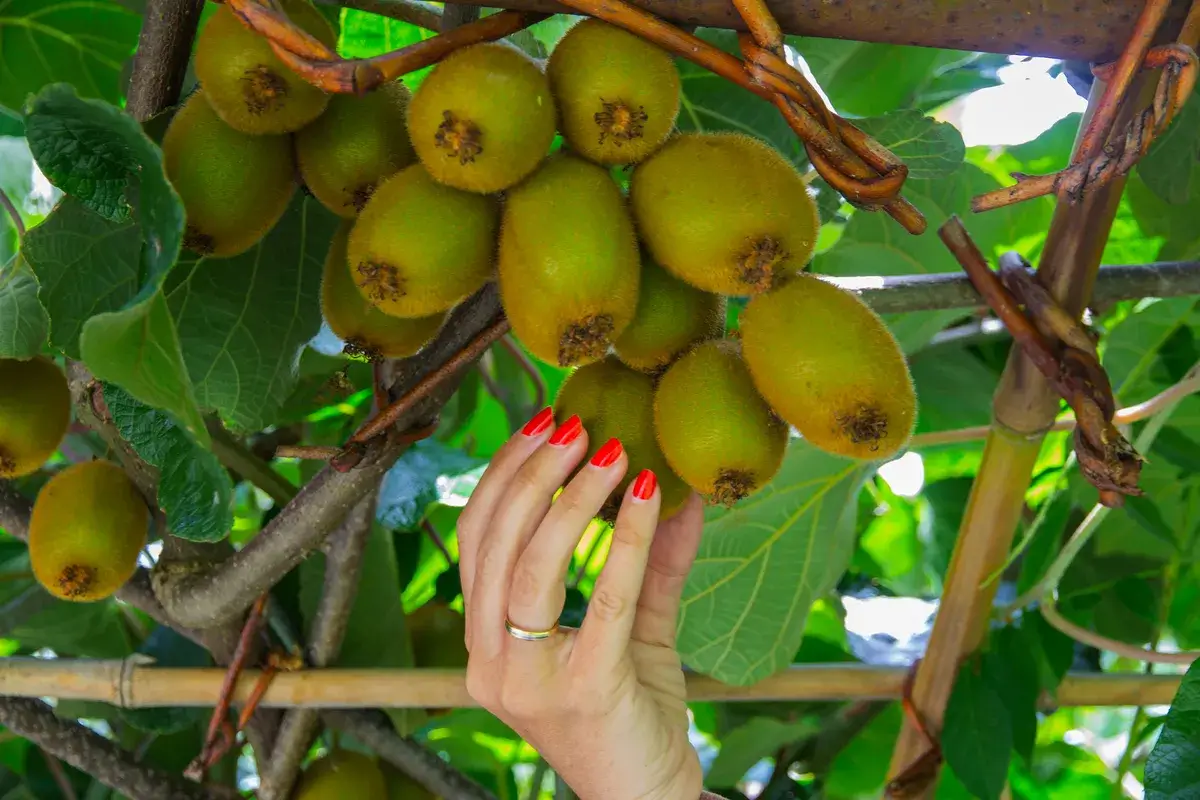
This year’s Chilean kiwi season is shaping up to be one of the most exciting in recent memory. Carlos Cruzat, president of the Chilean Kiwi Committee, shared exclusive insights that point to a bigger crop, minor changes in fruit size, and a market environment that favors both growers and buyers. Below we unpack what this means for Latino consumers in Toronto who crave fresh, flavorful kiwis during the Canadian spring and summer.
Why Chilean Kiwi Matters to Toronto
Chile remains the Southern Hemisphere’s “kiwi powerhouse,” shipping fruit to North America precisely when local supplies run low. For Toronto’s Latino community—accustomed to vibrant produce markets—this timing keeps salads, smoothies, and desserts bright and nutrient-packed even during Canada’s lingering cold months.
Harvest Outlook: More Fruit, Slightly Smaller Calibres
Volume: Cruzat projects a 20 % increase in total tonnage compared with 2025. Several factors drive the boost:
- Consistently cool nights and mild days in Chile’s central valleys enhanced fruit set.
- Improved orchard management—particularly precise pruning and thinning—reduced drop and increased pack-out rates.
- Investments in frost-protection systems prevented early-spring losses that hampered earlier seasons.
Size: Expect slightly smaller average calibres. Growers prioritized overall yield and sugar accumulation rather than pushing for jumbo sizes. For consumers, that means more medium-sized fruit that ripens evenly—ideal for lunchboxes and single-serve snacks.
A Seller’s—but Also a Buyer’s—Market
Even with larger volumes, pricing is likely to remain attractive. Shipping costs have stabilized, and competitive pressure from other Southern Hemisphere suppliers (notably New Zealand and Greece) is prompting Chilean exporters to lock in early contracts. For retailers in the GTA, that translates into reliable promotions and fewer supply gaps on store shelves.
Quality Parameters to Watch
• Brix (sugar) levels: Early pre-harvest tests are averaging 14–16 °, a sweet spot that balances acidity and flavor.
• Dry Matter: Higher values mean creamier texture once ripe—an attribute Chilean growers monitor closely.
• Zero Internal Browning: Cooler storage protocols are minimizing this disorder, ensuring a longer shelf life for Canadian importers.
When Will the Fruit Hit Toronto?
Container shipments pick up in mid-March, reaching the Port of Montreal and then Toronto distribution centers by early April. Peak arrivals run through June, dovetailing with Mother’s Day and early summer gatherings where fresh fruit platters shine.
Tips for Selecting and Storing Chilean Kiwi
- Feel: Look for a slight give when pressed—rock-hard fruit still needs countertop ripening (2–4 days).
- Color & Skin: Even brown skin with minimal fuzz indicates proper maturity; avoid wrinkling or shriveling.
- Storage: Ripen at room temperature, then refrigerate to hold peak flavor up to 10 days.
- Speed-Ripening Hack: Place kiwis in a paper bag with a ripe banana—the ethylene accelerates softening.
Bottom Line for Toronto’s Latino Community
A robust Chilean harvest means plentiful, affordable, and sweet kiwis will be at your local mercado and major supermarkets alike. Whether blended into an agua fresca, sliced over yogurt, or enjoyed plain with a squeeze of lime, this season’s fruit promises top-tier flavor without stretching your grocery budget.
Stay tuned: we’ll keep tracking arrivals and price trends so you can plan your freshest meals all spring and summer long.