
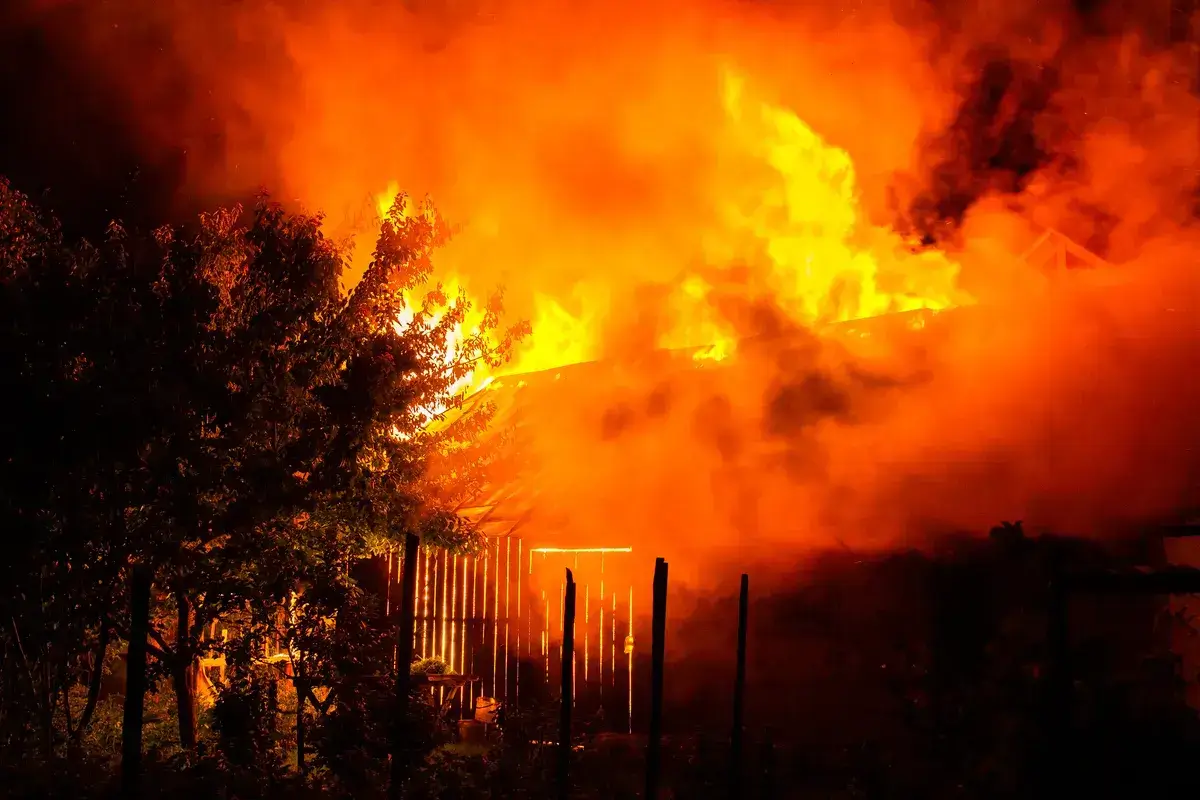
Early this week a serious fire struck the Las Cabras processing plant of Verfrut, one of Chile’s leading fresh-fruit exporters. Although the incident took place more than 8,000 km away, it could have ripple effects that are felt as far north as the Latino grocery aisles of Toronto. Below we break down what happened, why it matters, and what to watch for in the coming weeks.
What exactly burned?
The blaze started in the bin reception and storage yard—the area where thousands of large plastic crates (“bins”) loaded with freshly harvested fruit are received, washed and stored before packing. Eyewitnesses reported that the highly combustible plastic fueled fast-moving flames, sending a dense black plume of smoke that could be seen from several kilometres away.
Extent of the damage
• Mainly structural and material losses: Initial assessments suggest that the fire did not spread to the cold rooms or packing lines, but the entire bin yard was destroyed.
• No serious injuries: Plant personnel were evacuated in time; only two workers were treated for minor smoke inhalation.
• Fire-fighter response: Five local brigades plus company emergency crews controlled the flames after roughly three hours.
Why does this plant matter?
Las Cabras, located in Chile’s agriculturally rich Region de O’Higgins, processes large volumes of table grapes, cherries, kiwifruit and stone fruit—all products that regularly make their way to Canadian importers between December and May. The plant’s strategic location near Highway 5 and the San Antonio port keeps Verfrut competitive in sending fruit quickly to North America.
Potential impact on supply and prices
• Short-term logistical hiccups: With the bin yard gone, Verfrut must reroute fruit to other facilities or rent bins from third parties, slowing the packing pipeline.
• Replacement costs: Each industrial fruit bin costs US$200-250. Replacing several thousand could run into the high six figures.
• Export timing: February and March are peak export months for Chilean grapes and late cherries. Any delay at origin can tighten supplies in Canadian wholesale markets 15–20 days later.
• Price pressures: Importers in Toronto may face slightly higher spot prices, especially for specialty grape varieties popular in Latino supermarkets.
Environmental and regulatory follow-up
The Chilean Superintendencia del Medio Ambiente has opened an investigation to determine whether hazardous runoff occurred, as melted plastic and firefighting foam can contaminate nearby irrigation channels. Results are expected within 30 days and could lead to fines or mandatory remediation plans.
Company response and recovery plans
Verfrut issued a statement emphasizing that fruit quality and export commitments remain a priority. Actions underway include:
• Leasing additional bin space in neighboring communes.
• Accelerating automation upgrades planned for the 2027 season, bringing some forward to rebuild smarter.
• Coordinating with insurers to fast-track claims and reconstruction funds.
Why Latinos in Toronto should care
Toronto’s diverse Latino community is one of the city’s top consumers of fresh Chilean produce. Whether you shop at La Perola on St. Clair West or pick up weekend fruit at Kensington Market, the Las Cabras incident may:
• Lead to smaller promotional displays or reduced variety of Chilean grapes over the next month.
• Encourage retailers to source more from Peru or South Africa, potentially altering the flavor profile and pricing of your weekly fruit bowl.
• Highlight the importance of traceability; expect to see retailers posting additional origin information to reassure consumers about safety and quality.
What happens next?
• 48 hours: Insurance loss adjusters complete a first review.
• 2 weeks: Temporary bin rentals arrive; throughput returns to 70–80 %.
• 1–2 months: Permanent reconstruction plan submitted to local authorities.
• Harvest 2027: Full bin yard replacement, potentially with fire-retardant materials.
We will keep monitoring official reports and market updates. For now, if your favorite Latin grocer experiences a brief gap in Chilean fruit, you’ll know exactly why—and how far that black plume of smoke really traveled.