
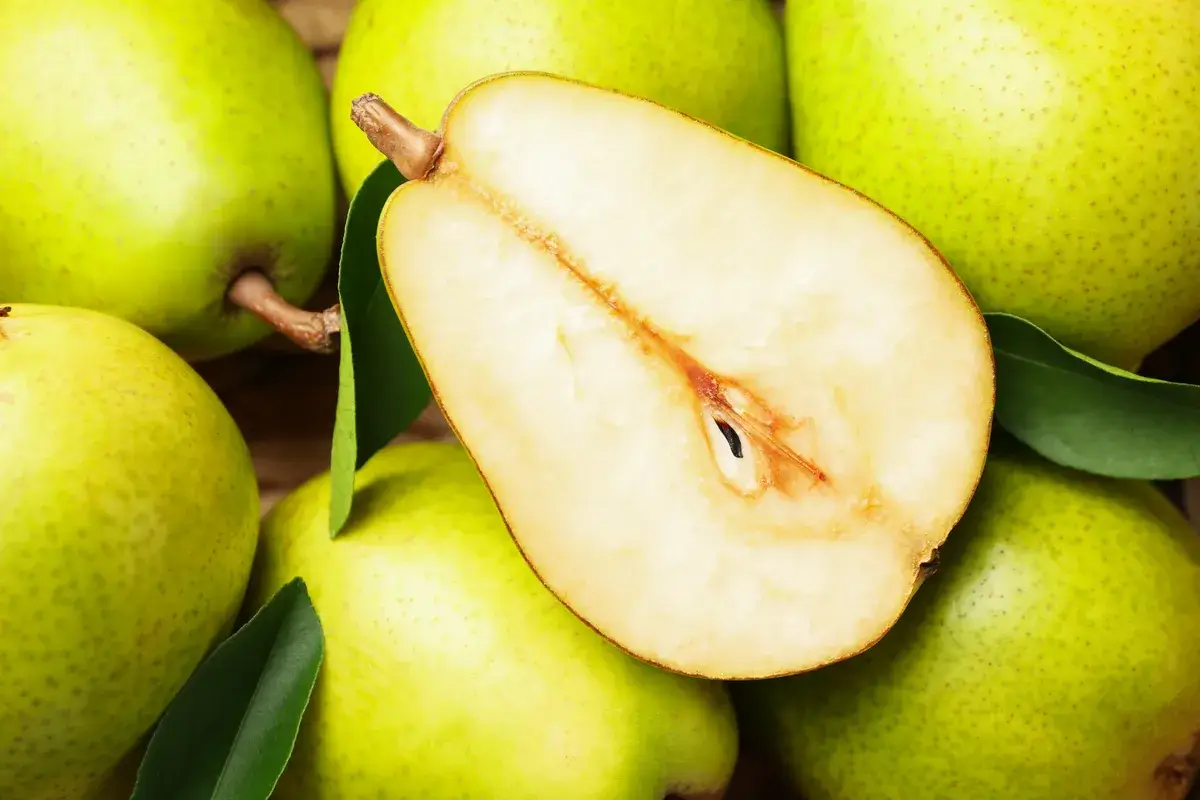
For Latino shoppers in Toronto, the pear section has quietly become the stage for a North-South showdown. California—once the undisputed heavyweight of fresh pear production—now finds itself squeezed as a surge of Argentine imports fills supermarkets across Canada. Below we unpack how we reached this tipping point, why it matters, and what to watch for the next time you stroll through Kensington Market or your neighborhood Latin grocery.
Why Argentine Pears Are Dominating Shelves
Counter-seasonal advantage. Argentina’s harvest peaks during the North American winter and early spring, precisely when California orchards are dormant. This allows Argentine exporters to deliver freshly picked fruit while U.S. stock sits in cold storage.
Competitive pricing. Favorable exchange rates, lower labor costs, and streamlined shipping out of Patagonian ports often let Argentine shippers land pears in Canada below the break-even price for many Californian growers.
Strategic trade channels. In recent years, importers have diversified logistics hubs—Montreal, Halifax, even Buffalo—to shorten the journey to Toronto distribution centers. The result: steady, reliable volumes that retailers love.
The Rise and Fade of California’s Pear Belt
Back in the 1980s, California supplied well over half of the fresh pears consumed in North America. Sacramento, Lake, and Mendocino counties thrived on varieties like Bartlett, Bosc, and Comice. But a trio of structural challenges has eroded that dominance:
1. Water and Climate Pressures
Persistent droughts and severe heat waves have forced growers to uproot pear trees in favor of less thirsty—or more profitable—crops such as almonds and pistachios. Irrigation district allocations now routinely fall short of orchard needs.
2. Labor Shortages and Rising Costs
H-2A visa uncertainty, higher minimum wages, and pandemic disruptions pushed harvest costs up to record levels. Pears require delicate hand-picking; mechanization is still limited, leaving Californian farmers exposed to labor swings.
3. Industry Consolidation and Lost Infrastructure
Smaller packing houses have disappeared, leaving growers dependent on a handful of large facilities. When line time is tight, packing companies favor higher-volume crops—another nudge toward pulling out pear trees.
How Growers in California Are Fighting Back
Varietal innovation. Experimental plantings of heat-tolerant cultivars like Gem and Seckel-plus hybrids aim to extend the domestic season deeper into winter.
Targeted marketing. The California Pear Advisory Board is shifting ad dollars toward niche channels—farmers’ markets, CSA boxes, and Latino-focused food festivals in the GTA—to remind consumers of the fruit’s local pedigree.
Regenerative practices. Certifications for low-water usage and carbon-smart farming may soon appear on labels to attract eco-conscious shoppers who might pay a premium.
What Toronto Consumers Should Know
Flavor window: Argentine Bartletts are at their peak from February through April. For a crisp-sweet bite, buy them green-tinged and let them ripen on your counter for two to three days.
California’s season: You’ll see fresh California pears re-enter stores around late July. If you spot early shipments, check for mild russeting—often a sign of sun stress but not an indicator of poor quality.
Sustainability trade-off: Air-freight pears carry a heavier carbon footprint than sea cargo. Most Argentine pears arrive by ocean container, whereas California shipments truck across the continent. For eco-minded shoppers, scan origin stickers and consider your priorities.
Bottom Line
The battle for pear supremacy boils down to timing, cost, and consumer perception. Argentine imports offer fresh fruit when domestic supplies wane, but California aims to reclaim ground through innovation and strategic marketing. For Latinos in Toronto, the best strategy is simple: taste broadly, compare textures, and vote with your fork. Whether you favor the juicy sweetness of a mid-winter Argentine Bartlett or the crisp elegance of a late-summer Californian Bosc, the choice ultimately shapes the future of an industry on both hemispheres.