
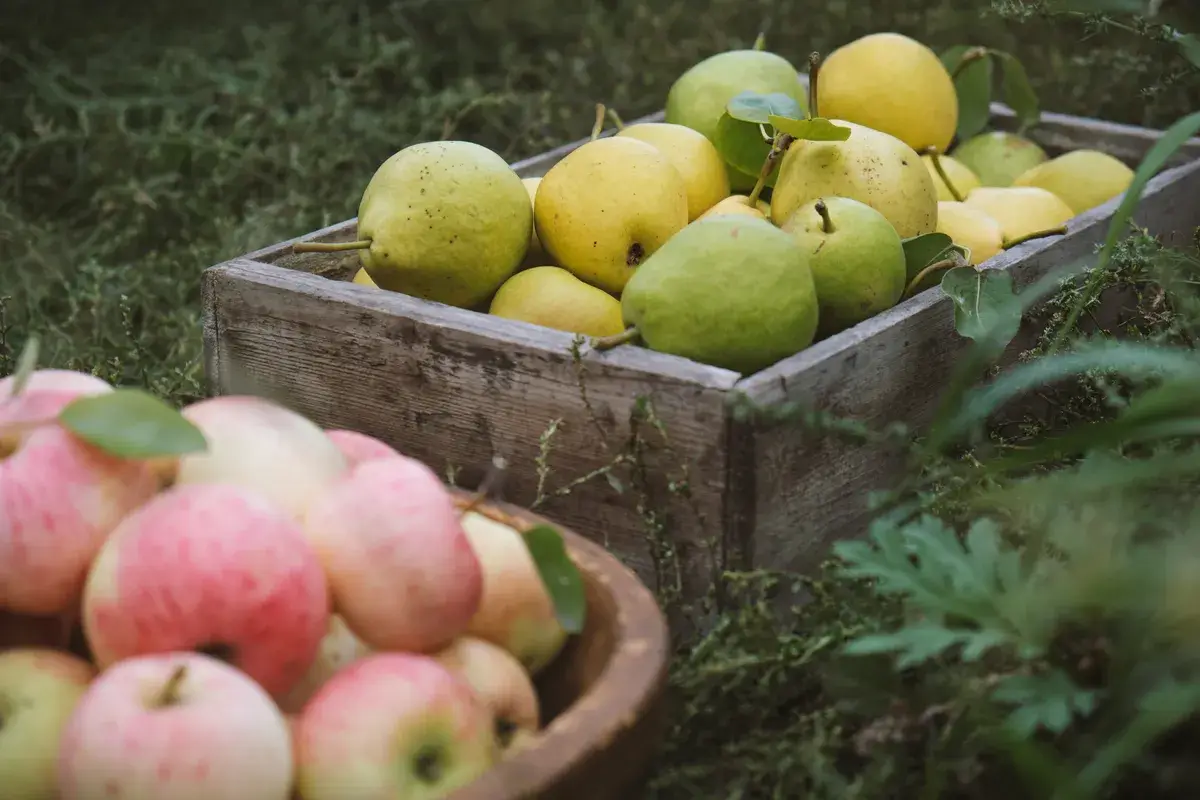
Getting true-flavor fruit from South America to your table in Toronto just became easier. Argentina’s food-safety authority, SENASA, has opened a dedicated Entomological Unit—a high-tech laboratory that certifies fruit is free of quarantine pests—so that shipments of fresh cherries, apples and pears from Northern Patagonia can enter the United States (and, by extension, Canada) with fewer delays. Below we unpack why this move matters, how the certification works, and what it could mean for Latino households, restaurants and fruit importers in the GTA.
What Exactly Is SENASA?
SENASA (Servicio Nacional de Sanidad y Calidad Agroalimentaria) is Argentina’s federal agency in charge of animal and plant health, food safety, and agricultural quality. Think of it as the counterpart to the Canadian Food Inspection Agency (CFIA) or the U.S. Department of Agriculture’s APHIS. Its certifications are mandatory for any Argentine produce that crosses international borders.
The New Entomological Unit: A Quick Overview
The unit, located in the heart of Northern Patagonia’s fruit belt, is equipped to identify and analyze insects at every life stage—eggs, larvae, pupae and adults. By confirming that export lots are free from key pests like Cydia pomonella (codling moth) and fruit-infesting fruit flies, the lab allows exporters to attach the phytosanitary certificates required by U.S. and Canadian border agencies.
Key Functions
- Microscopic identification of intercepted insects
- DNA barcoding for hard-to-detect species
- Rapid reporting to both Argentine and U.S. phytosanitary authorities
Why Northern Patagonia?
Río Negro and Neuquén provinces produce more than 70 % of Argentina’s export apples and pears and an increasing share of premium cherries. Their cool, dry climate already helps control pests naturally; the new lab adds an extra layer of scientific verification, reducing the need for post-harvest chemical treatments.
How the Certification Pipeline Works
- Pre-Harvest Monitoring: Growers follow strict Integrated Pest Management (IPM) protocols under SENASA supervision.
- Sampling at Packinghouses: Random boxes are opened, and any suspect insects go straight to the lab.
- Laboratory Analysis: Experts confirm species identity within 24–48 hours using morphology and molecular tools.
- Phytosanitary Certificate Issued: If clean, SENASA signs off and transmits data electronically to APHIS and CFIA.
- Cold-Chain Logistics: Fruit is loaded into cold-treatment containers that keep it between 0 °C and 1 °C all the way to U.S. East Coast ports, then to Canadian distributors.
What It Means for Latinos in Toronto
• Fresher Fruit, Better Flavor: Faster lab clearance means less time sitting at ports—fruit arrives juicier and crunchier.
• More Seasonal Variety: Cherries in December-January, when local options are scarce, and apples/pears that taste closer to home-grown Latin American varieties.
• Potential Price Drops: Lower compliance costs for exporters can translate to competitive shelf prices at Latino supermarkets in the GTA.
• Safer Produce: Mandatory pest-free status reduces pesticide load and protects Canadian orchards.
Next Steps and Outlook
The Entomological Unit is part of a broader five-year work plan signed by SENASA and U.S. APHIS. Similar labs are planned for stone fruits and berries. If the model succeeds, Canada may accept the same electronic certificates, eliminating redundant inspections at our border crossings in Windsor and Fort Erie.
For Toronto’s vibrant Latino community—always on the lookout for authentic flavors from the Southern Cone—this initiative brings Patagonia’s orchards one step closer to the dinner table. Stay tuned as importers adjust their winter catalogs; you might soon find a sweet, deep-red cereza patagónica at your neighborhood tienda.