
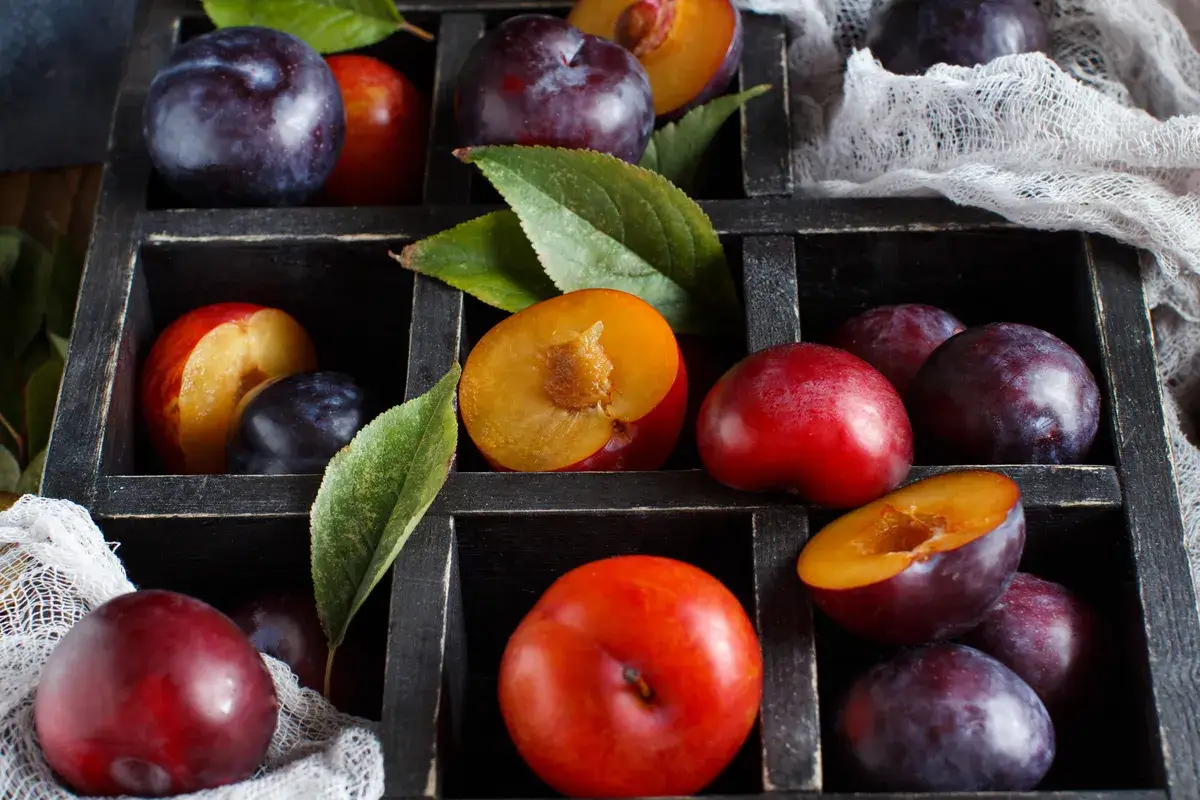
Mendoza, Argentina—famed for its wines and high-altitude orchards—has just taken a decisive stride toward opening the vast Chinese market to its juicy peaches and plums. For Latino communities in Toronto who follow Latin American trade news closely, this move signals fresh opportunities for growers back home and a broader selection of familiar flavors abroad.
Background: Why China Matters
China is the world’s largest consumer of fresh fruit, with rising demand for premium, counter-seasonal produce. While Chile and Australia have already penetrated this market with stone fruit, Argentina has lagged behind due to stringent phytosanitary (plant-health) requirements. Securing access for Mendoza’s carozos—stone fruits such as peaches (duraznos) and plums (ciruelas)—could add millions of dollars in export revenue and diversify a sector traditionally reliant on Brazil and the EU.
The Chinese Audit: Who Came and What They Saw
A technical delegation from China’s General Administration of Customs (GACC) spent several days in Mendoza’s two key production areas:
- Valle de Uco—a high-altitude valley renowned for cool nights that enhance fruit sweetness.
- Oasis Norte—the province’s oldest irrigated zone, where stone-fruit farming dates back more than a century.
Accompanied by Argentina’s plant-health authority SENASA and provincial officials, the inspectors visited orchards, packing lines, and cold-storage facilities. Their mission: verify that Mendoza can meet China’s strict pest-mitigation standards—especially for fruit fly (Ceratitis capitata) and Monilinia brown rot, two pathogens of concern for Asian ports.
What Inspectors Evaluated
The audit checklist was exhaustive:
- Integrated Pest Management (IPM): Monitoring traps, bait stations, and the use of sterile-insect technique.
- Pre-harvest Protocols: Pruning practices, orchard hygiene, and pesticide records.
- Post-harvest Handling: Automated grading lines, hydro-cooling, and anti-fungal dips.
- Cold-Treatment Capability: Ability to keep fruit at or below 1.1 °C for 15–18 consecutive days—mandatory to neutralize fruit fly larvae.
- Traceability Systems: Bar-coded bins and digital logs that track each batch from tree to container.
Next Steps on the Road to Market Access
The GACC team will now issue a technical report. If the findings are favorable, China and Argentina will draft an official export protocol, outlining:
- Approved production zones and registered orchards.
- Mandatory cold-treatment schedules.
- Labeling requirements in Mandarin and Spanish.
- On-site Chinese inspectors during the first commercial shipments.
Industry insiders expect protocol signing before Argentina’s 2026-27 harvest. That means the first reefer containers—likely shipped via the Chilean port of Valparaíso to shorten Pacific transit—could reach Shanghai or Guangzhou as early as January 2027.
Why This Matters for Toronto’s Latino Community
Greater market access often translates into stronger farmgate prices and more resilient rural economies across Latin America. A prosperous Mendoza means:
- Remittances & Jobs: Families with relatives working in agriculture may enjoy steadier income streams.
- Product Visibility: Canadian importers sometimes “follow the market”; success in China can boost a product’s global profile, increasing chances of seeing Argentine peaches and plums on Toronto shelves.
- Cultural Pride: Watching Latin American produce conquer new horizons reinforces ties to the region’s culinary identity.
Looking Ahead
If the Chinese customs green-light comes through, Mendoza’s growers will need to scale volumes rapidly, invest in more cold rooms, and adapt logistics corridors. Government agencies are already offering soft loans for infrastructure upgrades and training programs on Chinese consumer preferences—think sweeter flavor profiles and premium gift packaging.
For now, the mood in Mendoza is cautiously optimistic. As one exporter put it, “We have the altitude, the sunshine, and the know-how. All that’s left is the final stamp from Beijing.” Should that stamp arrive, expect Andean stone fruit to embark on its longest journey yet—from the foothills of the Andes to the heart of Asia, with ripple effects felt all the way in Toronto’s multicultural produce aisles.