
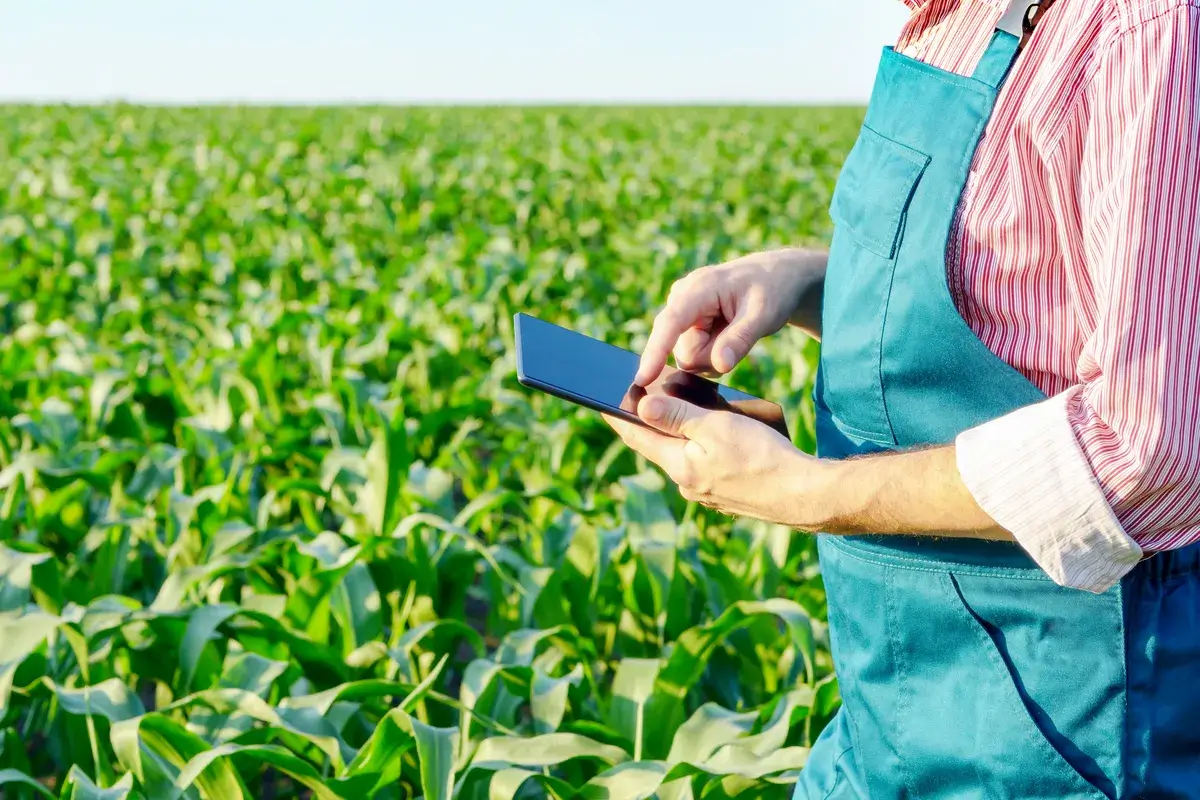
The traditional image of farming is undergoing a digital revolution. While massive industrial farms have long utilized satellite imagery and GPS-guided tractors, a new wave of technology is leveling the playing field. Mobile applications are spearheading the “democratization of agriculture,” providing smallholder farmers with tools that were once the exclusive domain of big-budget operations.
Breaking the Information Barrier
For the small-scale producer, the biggest challenge has historically been asymmetry of information. Without access to real-time data, farmers often struggle with unpredictable weather, fluctuating market prices, and pest outbreaks.
Mobile apps are changing this narrative by offering:
- Hyper-Local Weather Forecasting: Precision tools that provide field-specific alerts, allowing farmers to time their planting and harvesting perfectly.
- Market Transparency: Apps that list real-time crop prices in various markets, preventing middleman exploitation and ensuring farmers get a fair price for their sweat and toil.
- Digital Agronomy: Instant access to databases of plant diseases. By simply uploading a photo of a leaf, AI-driven apps can diagnose a pest problem and suggest organic or chemical treatments.
Financial Inclusion in the Palm of Your Hand
Perhaps the most significant impact of agricultural apps is in the realm of FinTech. Small farmers often lack the formal credit history required by traditional banks.
Innovative platforms now use “alternative data”—such as farm size, crop types, and even satellite-verified yield history—to build digital credit profiles. This allows farmers to secure micro-loans for seeds, equipment, and insurance directly through their smartphones, bypassing the bureaucratic red tape that has stifled rural growth for decades.
Supply Chain Efficiency: From Farm to Fork
The “Democratization of the Agro” isn’t just about growing food; it’s about selling it. Mobile marketplaces are connecting small-scale producers directly with urban consumers and restaurants.
“By shortening the supply chain, mobile apps help reduce post-harvest waste and increase the profit margins for the producer, creating a more sustainable food system for everyone.”
The Path Forward
While challenges like rural connectivity and digital literacy remain, the trend is clear. Mobile technology is no longer a luxury; it is a vital input, as essential as water or fertilizer. As these apps become more intuitive and accessible, the global food system becomes more resilient, equitable, and efficient.