
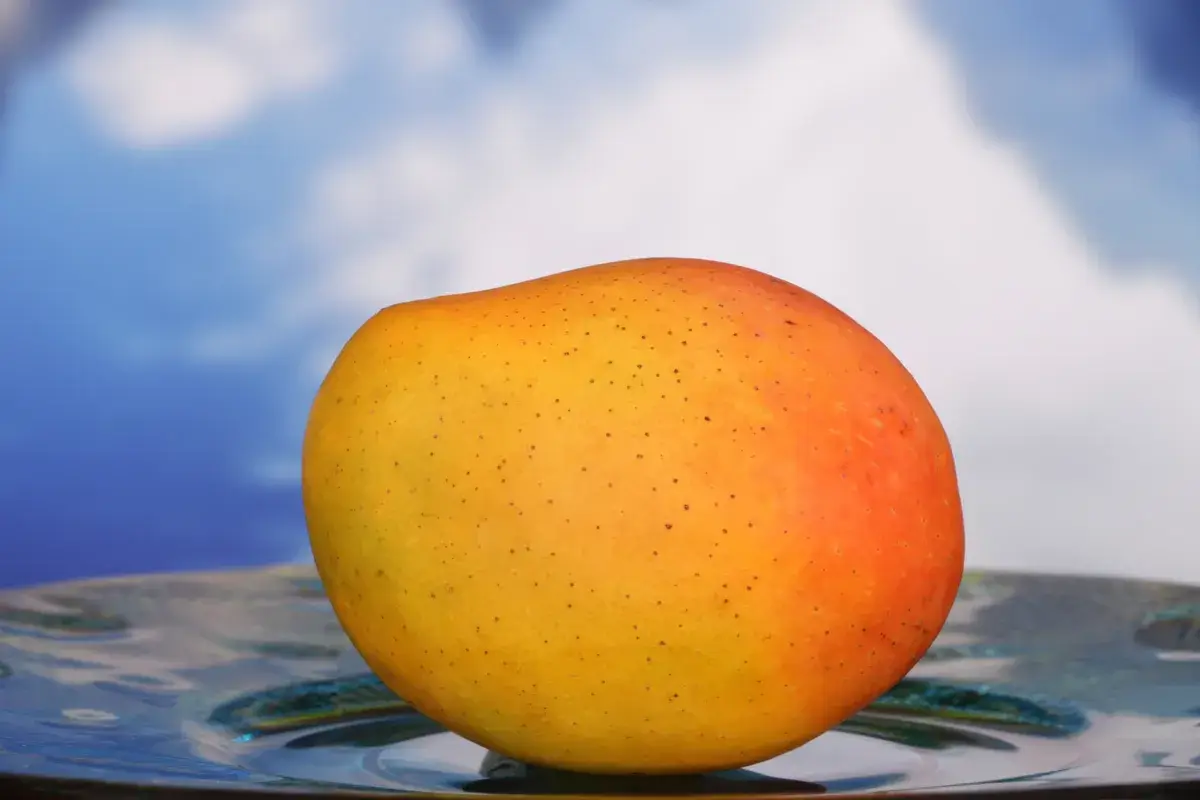
Mangos have traveled a long road from being a rare tropical curiosity to claiming a prime spot in North American produce aisles. As the United States races toward a projected 550 000 metric-ton market by 2026, Latino communities in multicultural hubs like Toronto can tap into fresh business, culinary, and cultural opportunities. Here’s a deep dive into what’s fueling this growth and how it can ripple north of the border.
From Exotic Treat to Everyday Staple
Just two decades ago, mangos in U.S. grocery stores were mainly stocked for adventurous shoppers. Today, year-round availability, wider varietal choice, and aggressive retail promotions have turned the fruit into a weekday snack for millions. The United States now ranks among the world’s top mango importers, leaning heavily on Mexico, Peru, Ecuador, Brazil, and, seasonally, Guatemala and Haiti to keep shelves filled.
The Numbers Behind the Boom
• 550 000 metric tons by 2026: That’s roughly a 20 % jump from pre-pandemic volumes.
• Retail sales of fresh mangos in the U.S. have been climbing about 4-5 % annually.
• Value-added formats—peeled, sliced, or frozen—are expanding at double-digit rates, especially in club stores and online grocery platforms.
What’s Driving U.S. Demand?
1. Health-first consumers: Rich in vitamin C, A, and dietary fiber, mangos meet the “naturally functional” trend.
2. Culinary crossover: TikTok recipes, Latin fusion menus, and craft beverages showcase mangos in salsas, hot sauces, and cocktails.
3. Retail innovation: Supermarkets now dedicate branded mango displays, offer ripening guides, and run “Mango-Month” promotions each June.
Supply-Chain Shifts to Watch by 2026
• Post-harvest tech: Hot-water treatment, vapor heat, and irradiation are extending shelf life and reducing waste.
• New cultivars: Varieties like Ataulfo, Keitt, and the ultra-sweet Rápido are gaining traction thanks to their smaller seed and higher Brix.
• Sustainability: Carbon-neutral orchards, drip-irrigation, and fair-trade certifications are becoming entry tickets for U.S. buyers.
Opportunities for Toronto’s Latino Community
Import & Distribution: Toronto’s proximity to major U.S. logistics hubs allows Latino-owned wholesalers to piggyback on established supply chains.
Foodservice & Catering: Latin-inspired mango ceviche cups, chamoy-dipped mango spirals, and jerk-mango tacos resonate with Toronto’s adventurous diners.
Value-added Manufacturing: Small processors can create frozen mango pulp, sauces, or dehydrated snacks targeting health-conscious Canadians.
Looking Ahead: 2026 and Beyond
Analysts expect continued 3-4 % annual growth in U.S. mango demand, fueled by e-commerce grocery sales and plant-forward eating patterns. For Toronto entrepreneurs, early alignment with ethically sourced, ready-to-eat, and zero-waste trends will be key. Whether you’re planning to launch a mango-based product line or simply want to enjoy sweeter, riper fruit, 2026 is shaping up as the year mangos cross from “hot trend” to household staple across North America.