
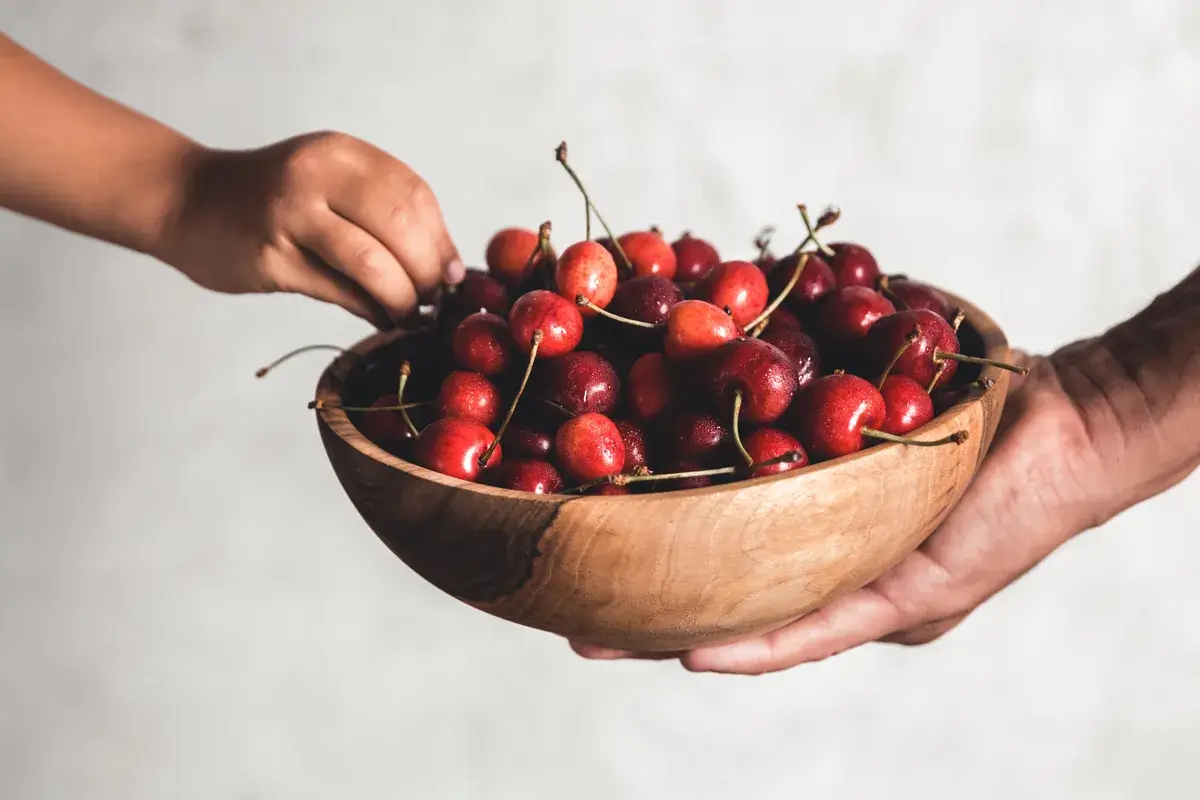
Each January, the global produce market waits to see how Chile’s cherry harvest will perform. This year, San Antonio Terminal Internacional (STI)—Chile’s busiest fruit gateway—has wrapped up the 2025 season with record-breaking results that will echo all the way to fruit aisles and restaurantes latinos in Toronto.
The Numbers Behind the Headline
More than 18,000 refrigerated containers (reefers) left STI bound for Asian ports, primarily China, South Korea, and Japan. That represents a 17 % jump in volume compared with the previous season.
In practical terms, if each 40-foot reefer carries 24 metric tons of cherries, STI handled roughly 432,000 t of fruit in less than three months—enough for every resident of Toronto to enjoy over 130 kg of cherries each!
Asia’s Sweet Tooth for Chilean Cherries
Asia’s Lunar New Year drives an annual surge in cherry demand: red fruit symbolizes fortune, and consumers are willing to pay premium prices. Chile’s counter-seasonal window (December–January) allows growers to hit the market when Northern Hemisphere orchards are dormant. Thanks to its deep-water draft and modern cold-chain infrastructure, STI has become Chile’s springboard into this lucrative period.
How 18,000 Reefers Stay Fresh
Moving fresh fruit 17,000 km without losing flavor is a logistics ballet:
- Pre-cooling at origin drops pulp temperature to 0–1 °C within hours of harvest.
- Controlled-atmosphere reefers regulate oxygen and CO2 to slow ripening.
- Express ocean services cut transit time to China to 22–24 days.
- Digital temperature probes feed live data to cargo owners and insurers, allowing interventions mid-voyage if needed.
Dominating the Valparaíso Region
STI concentrated 53 % of all cherry exports from the Valparaíso Region, outpacing nearby ports such as Valparaíso and Ventanas. This market share solidifies the terminal’s status as Chile’s national leader for fresh-fruit throughput, attracting further investment in cranes, on-dock power plugs, and phytosanitary inspection zones.
Why This Matters in Toronto
Toronto’s Latino community often looks for flavors that remind them of home. Chilean cherries—juicy, deep-red, and sweet—have become a winter staple in supermarkets like Fiesta Farms, Perola, and select Sobeys locations. A larger Chilean crop means:
- More supply for Canadian importers, who typically trans-ship through U.S. West Coast ports before trucking north.
- Stabler prices during January and February, making premium cherries accessible not just for holiday gifts but also for everyday desserts.
- Increased variety (Santina, Lapins, Regina) on store shelves and in Latin-American bakeries crafting cherry empanadas or panetones with fruta fresca.
Looking Ahead
STI is already planning to expand reefer plug capacity by 20 % and deepen its navigation channel to accommodate next-generation container vessels. For Latino households in Toronto, this translates to an even more reliable stream of high-quality fresh fruit during Canada’s coldest months—proof that strategic port operations thousands of kilometres away can sweeten our tables here in the GTA.