
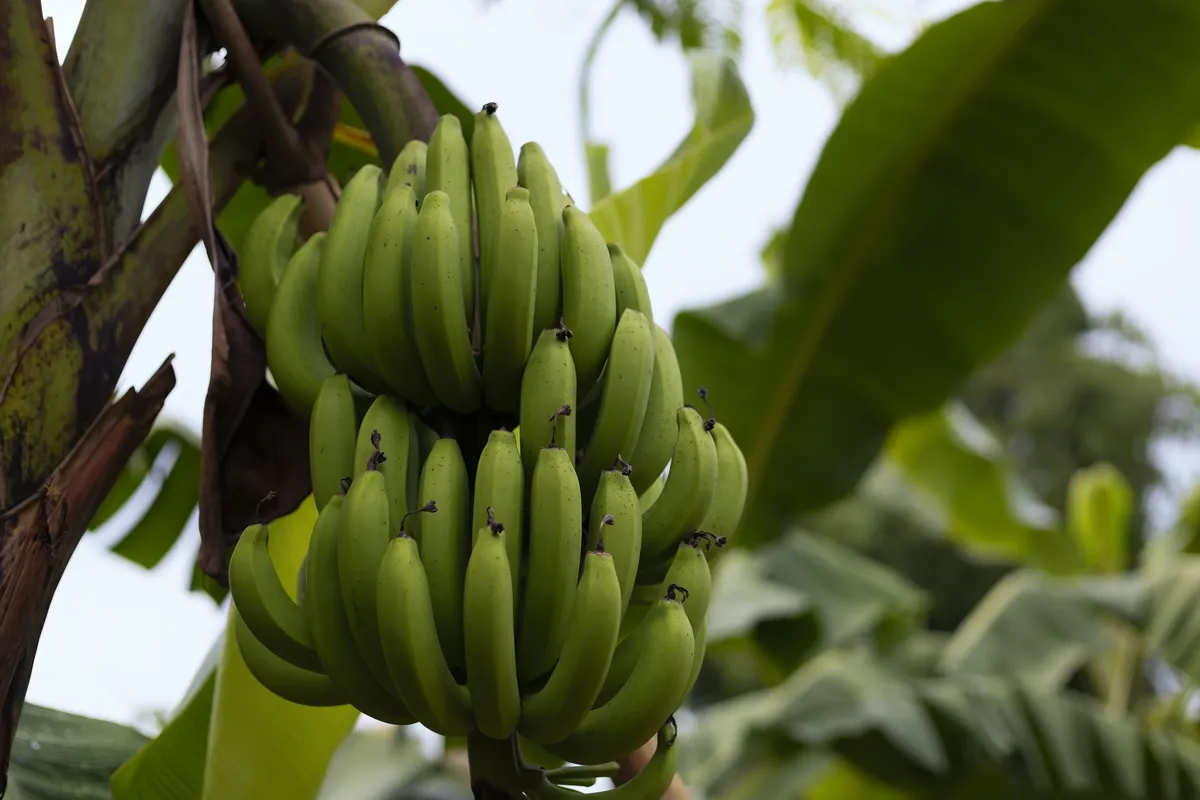
When a major player in the banana world makes a strategic move, produce aisles from Madrid to Toronto eventually feel the ripple. That’s exactly what’s happening with Europlátano, S.A.—a leading growers’ cooperative from Spain’s Canary Islands—now that the company’s Board of Directors has approved a fresh leadership structure aimed at stronger, faster growth.
What’s Changing Inside Europlátano?
The Board confirmed an “evolution” in its management lineup designed to match the firm’s recent expansion and the increasingly complex demands of Europe’s fruit sector. The shake-up includes:
- A realigned executive team that brings together production, logistics, and marketing under one streamlined umbrella.
- New cross-functional task forces focused on sustainability, digital transformation, and international market access.
- An external advisory council of agronomists and market analysts who will guide long-term strategy.
Why the Reorganization Matters
Bananas from the Canary Islands hold a protected geographical indication (PGI), meaning they conform to strict quality standards—something Toronto’s Latino shoppers often look for when seeking a sweeter, aromatic alternative to mainstream Cavendish bananas. By tightening its leadership structure, Europlátano hopes to:
- Consolidate purchasing power for fertilizers, eco-friendly packaging, and shipping services.
- Speed up innovation in post-harvest technologies that extend shelf life, a key win for importers in North America.
- Strengthen grower support through training on climate-smart farming that preserves the Islands’ fragile ecosystems.
Implications for Toronto’s Latino Community
Over the last five years, specialized importers have quietly increased the flow of Canary Island bananas into Canada, capitalizing on Toronto’s diverse culinary scene. Europlátano’s new governance model signals:
- More consistent supply—critical for Latin supermarkets and food-service distributors serving Cuban, Venezuelan, and Dominican kitchens.
- Potential price stability; centralized purchasing often lowers operational costs, which can buffer retail prices.
- Expanded product lines such as organic or fair-trade bananas, areas Europlátano has flagged as 2026 growth pillars.
Industry Backdrop
The European banana sector faces rising transportation costs, stricter environmental regulations, and competition from Latin American producers. By sharpening its leadership focus, Europlátano is betting that agility will trump scale—leveraging its cooperative roots and PGI status to secure premium shelf space in high-income markets like Canada.
Looking Ahead
With the reorganization in motion, observers expect a series of tactical rollouts over the next 12–18 months: upgraded packing facilities on La Palma and Tenerife, AI-driven quality control, and stronger marketing campaigns that emphasize the fruit’s unique Canary Island terroir.
For Toronto’s Latino community—and anyone who values the sweet spot between flavor and sustainability—Europlátano’s leadership reboot could soon translate into a more vibrant, dependable banana offering up north.
Stay tuned: as the cooperative translates strategy into action, we’ll track how these changes impact availability and pricing on this side of the Atlantic.