
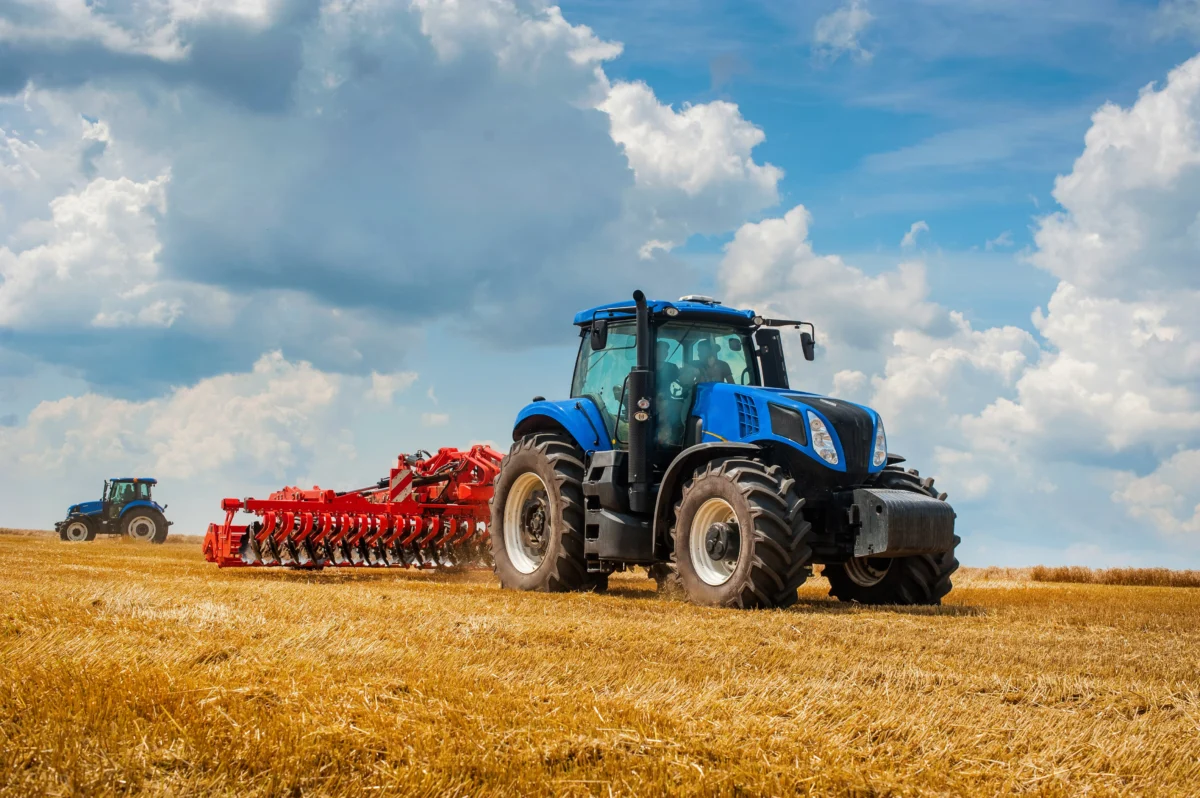
The agricultural sector is undergoing one of the most significant technological shifts in its history. For years, farmers relied on GPS-guided auto-steer systems to help keep equipment on track. Today, the industry is moving rapidly beyond autopilot into a new era of fully autonomous tractors and advanced field robotics.
Driven by persistent labor shortages, rising operational costs, and the urgent need for sustainable productivity, autonomous AgTech is transitioning from experimental prototypes to mainstream field adoption.
1. The Evolution: From Auto-Steer to Fully Autonomous Operations
Auto-steer technology revolutionized row-crop farming by reducing driver fatigue and overlap during planting and tilling. However, traditional auto-steer systems still required a operator inside the cab to manage implements, adjust speeds, and monitor field hazards.
Modern autonomous tractors eliminate the need for a human driver entirely. Equipped with:
- LiDAR and Radar Sensors: Providing 360-degree obstacle detection in dusty or low-visibility conditions.
- Computer Vision & AI: Distinguishing between crops, soil boundaries, and obstacles in real time.
- Edge Computing: Processing complex spatial data locally without requiring continuous high-bandwidth internet connectivity.
These machine-learning-driven vehicles can execute tillage, planting, and grain hauling completely unassisted, freeing farm managers to focus on business strategy and agronomy.
2. Solving the Agriculture Labor Crisis
The primary driver behind the rapid adoption of field robotics is labor availability. Agriculture globally faces severe demographic challenges, including an aging workforce and shrinking seasonal labor pools.
Autonomous equipment offers a scalable solution:
- 24/7 Field Availability: Autonomous machinery can run overnight during tight planting or harvesting windows, maximizing favorable weather conditions.
- Higher Labor Efficiency: A single farm operator can manage a fleet of multiple autonomous machines from a tablet or smartphone.
- Enhanced Safety: High-risk tasks, such as night tilling or chemical spraying, can be delegated to robotic platforms.
3. Precision Farming and Economic ROI
While the initial investment in autonomous machinery is significant, the return on investment (ROI) is compelling for commercial farming operations.
Key Economic and Environmental Benefits:
- Reduced Input Costs: AI-driven pathing and precision implements minimize fuel consumption and reduce soil compaction caused by overly heavy traditional machinery.
- Optimized Seed and Fertilizer Placement: Autonomous units can operate at consistent speed and torque settings, ensuring precise seeding depth and field uniform coverage.
- Smaller, Swarming Machinery: Rather than relying on one massive, expensive tractor, farmers are increasingly adopting fleets of smaller autonomous robots (“swarms”) that work in tandem, reducing single-point operational risk.
4. Challenges on the Path to Full Adoption
Despite rapid advancement, full adoption faces a few hurdles:
- Upfront Capital Costs: Retrofitting existing equipment or buying new fully autonomous tractors requires substantial capital.
- Connectivity Gaps: While edge computing helps, initial field mapping and remote monitoring still benefit from reliable rural broadband or satellite networks (such as Starlink).
- Regulatory & Liability Frameworks: Safety standards for driverless machinery on public roads and fields continue to evolve across different regions.
The Road Ahead for AgTech
Autonomous tractors and field robotics are no longer futuristic concepts—they are active, commercial solutions transforming farm management today. As AI systems mature and equipment costs decrease, fully driverless operations will become standard practice for high-efficiency farms worldwide.
Farms that embrace these robotic advances today are setting the benchmark for sustainable, resilient, and profitable agriculture tomorrow.