
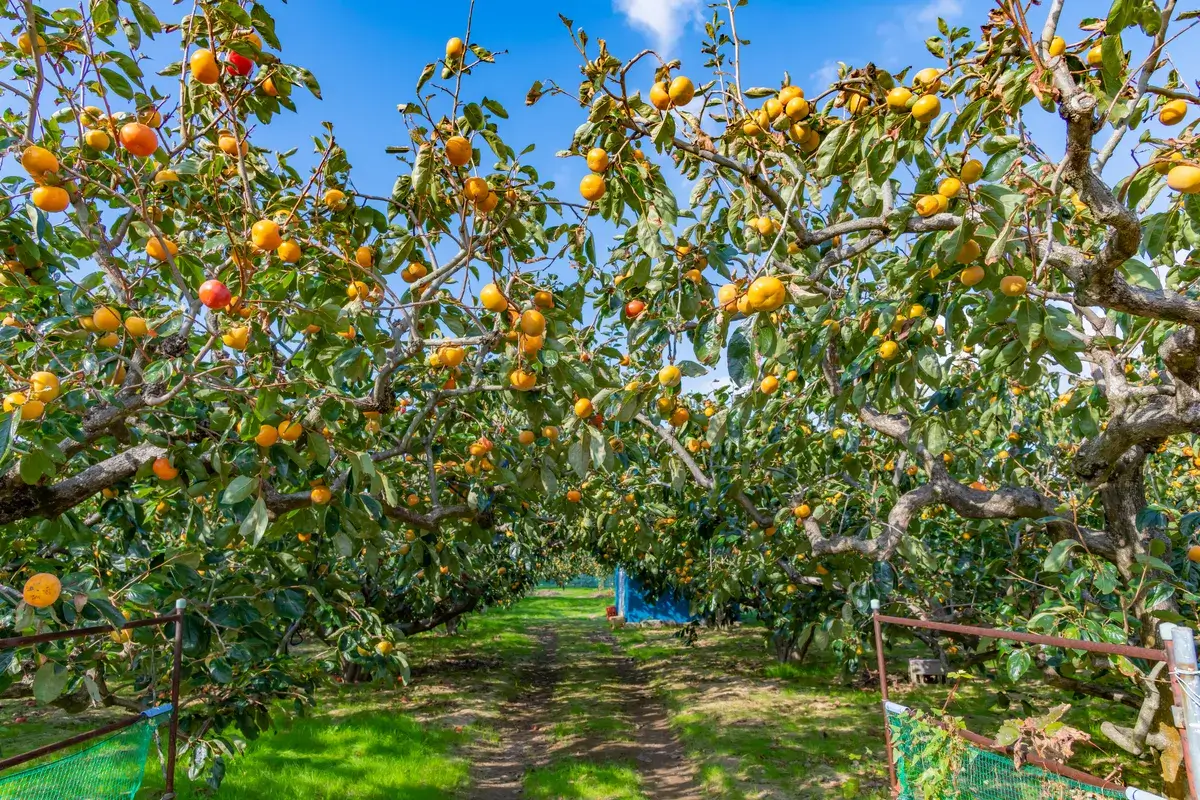
Even in Toronto’s cool climate, many Latino growers keep their cultural connection alive by nurturing citrus trees in greenhouses, basements with grow-lights, or indoor patios. One of the greatest threats to those beloved limes, lemons, and oranges is Huanglongbing (HLB), or citrus greening. Below you’ll find a deep-dive guide—adapted from cutting-edge Latin-American orchard practices—on how micro-grafting can help you produce clean, vigorous plants and keep HLB at bay.
HLB: Why It Matters—even North of the Border
HLB is caused by the bacterium Candidatus Liberibacter, spread mainly by the Asian citrus psyllid. Although Canada’s cold winters slow the insect vector, imported nursery stock or fruit can still introduce the disease indoors. Symptoms—blotchy leaves, lopsided fruit, dieback—are devastating and incurable in mature trees. That makes prevention and early-stage management crucial.
Micro-Grafting Defined
Micro-grafting involves placing a tiny, disease-free shoot tip (0.2–0.5 mm) from a desired citrus variety onto equally small rootstock seedlings under sterile conditions. Because the donor tissue is so small, bacterial load is virtually zero. The technique generates plants that are systemically free of HLB, tristeza virus, and most other pathogens.
Why Micro-Grafting Beats Traditional Budding in High-Density Systems
High-density orchards—whether commercial plots or compact greenhouse rows—rely on quick canopy closure and uniform vigor. Micro-grafted plants:
- Reach fruiting size 6–12 months earlier
- Show up to 30 % higher yields in the first three years
- Allow precise pairing of dwarfing rootstocks with premium scions
- Start life essentially pathogen-free, lowering long-term management costs
Materials & Tools Checklist
Gather these before you begin:
- Sterile laminar-flow hood or at minimum a still-air box
- 70 % isopropyl alcohol, 10 % bleach solution, flame source for tools
- Scalpel blades (#11 or #15) and fine forceps
- Growth medium: ½-strength MS medium plus 30 g L–1 sucrose, solidified with 8 g L–1 agar
- Seedling rootstocks 2–3 weeks old (e.g., ‘Carrizo’ or ‘Flying Dragon’ for dwarfing)
- Donor shoot tips from certified disease-free mother plants
- Mist chamber or humidity dome maintained at 26 °C and 90 % RH
Step-by-Step Micro-Grafting Protocol
1. Surface-Sterilize Explants
Dip donor shoots in 10 % bleach for 8 min, rinse three times with sterile water, then rest in an antioxidant buffer (100 mg L–1 ascorbic acid) for 15 min to reduce browning.
2. Prepare Rootstock Seedlings
Excise the apical meristem of each seedling, creating a “V” notch approximately 1 mm deep. Keep cuts minimal to retain vigor.
3. Excise Shoot Tips
Under 40× magnification, isolate a 0.3 mm dome that includes two leaf primordia. Avoid vascular tissue that might harbor pathogens.
4. Transfer & Align
Place the shoot tip into the rootstock notch, ensuring cambial contact on at least one side. Apply light pressure with a drop of sterile agar to stabilize.
5. Seal & Incubate
Cover the graft union with a strip of Parafilm or silicone tube, then transfer seedlings to culture vessels containing the MS medium. Incubate at 26 °C, 16-h photoperiod.
6. Acclimatize
After 3–4 weeks, once new leaves expand, move plants to a high-humidity dome for seven days, gradually reducing RH to room levels. Finally pot into sterilized peat-perlite mix.
Post-Graft Care: Nutrition & Monitoring
Micro-grafts have small root systems. For the first two months:
- Feed with 100 ppm nitrogen every other irrigation.
- Maintain root-zone temperature above 20 °C; a heat mat helps during Toronto winters.
- Scout weekly for psyllids—even indoors—and use yellow sticky traps.
- Test quarterly with qPCR kits (available through Canadian analytical labs) to confirm HLB-free status.
Integrating Micro-Grafting into an Overall HLB Management Plan
Think of micro-grafting as the clean start. Combine it with:
- Screened greenhouse vents (50-mesh or finer) to exclude psyllids
- Biological controls such as Tamarixia radiata if pests appear
- Routine leaf nutrient diagnostics to keep trees robust—well-fed plants tolerate stress better
- Strict tool sanitation: dip pruners in 70 % alcohol between trees
Common Mistakes—and How to Avoid Them
Based on interviews with experienced Mexican and Brazilian propagators:
- Using over-aged shoot tips: tips older than 0.5 mm contain differentiated tissue that heals poorly.
- Skipping acclimatization: sudden drop in humidity causes graft failure; taper gradually.
- Poor temperature control: temps below 22 °C stunt union callusing; above 30 °C encourage microbial contamination.
- Reusing potting mix: HLB may not live in soil, but Phytophthora does—always use fresh media.
Frequently Asked Questions
Q: Can I micro-graft without a laminar-flow hood?
A: A still-air box built from a clear plastic bin, sealed and disinfected, works for small batches. Keep movement minimal to reduce airborne spores.
Q: How long before I see the first flowers?
A: Dwarf rootstocks under LED lighting can flower in 18–24 months, nearly a year sooner than conventional grafts.
Q: What if I can’t find certified disease-free scion wood?
A: Source tissue from university collections (e.g., University of Guelph), or start from seed of tolerant cultivars and test twice with qPCR before using as donor material.
Key Takeaways
- Micro-grafting delivers HLB-free, high-performance plants ideal for tight greenhouse spaces in Toronto.
- Success hinges on sterile technique, precise temperature and humidity control, and diligent pest exclusion.
- Combine micro-grafting with integrated management practices to keep your citrus heritage thriving far from the tropics.
Conclusion
For Latino growers in Toronto looking to preserve the flavor of home, mastering micro-grafting is a game-changing skill. It provides a scientifically proven shield against HLB while fast-tracking your trees to production. With patience, cleanliness, and the right tools, you can enjoy juicy mandarins or lime-laden margaritas year-round—disease-free and proudly homegrown.