
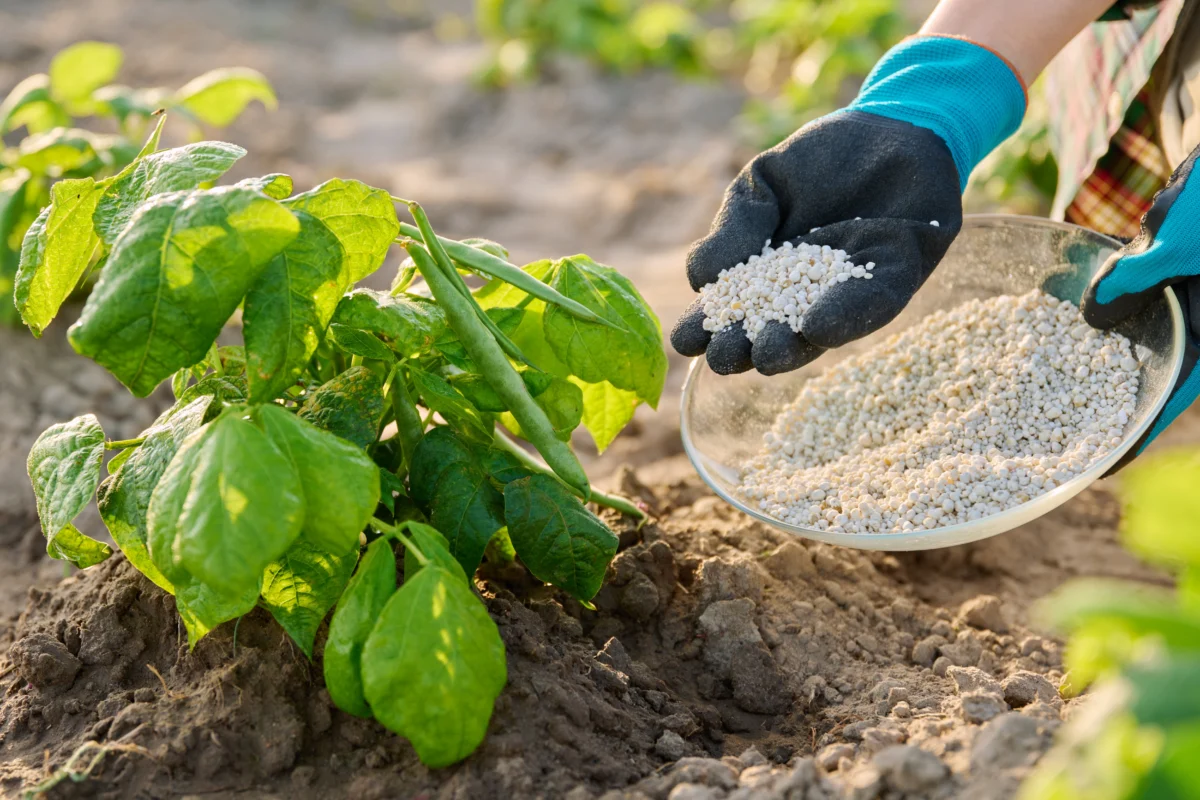
With extreme weather events, degrading soil biology, and tightening environmental regulations challenging global agriculture, the industry is turning toward biological innovation. The third major frontier in modern AgTech is the bioinput revolution—leveraging advanced biotechnology, gene editing, and microbiome science to protect crop yields and build climate resilience.
From biofertilizers and biopesticides to gene-edited seed varieties, biological solutions are transforming how crops are fed and protected.
1. Beyond Synthetics: The Rise of Modern Bioinputs
For decades, synthetic fertilizers and chemical pesticides drove high crop yields. However, soil degradation, chemical resistance, and fluctuating synthetic fertilizer prices have created urgent demand for sustainable alternatives.
Modern bioinputs are sophisticated, scientific formulations derived from natural organisms and biological processes:
- Biofertilizers & Biostimulants: Inoculants containing beneficial bacteria and fungi (such as mycorrhizae and Azospirillum) that fix atmospheric nitrogen, solubilize soil phosphorus, and enhance root absorption.
- Biopesticides & Biocontrols: Microorganisms, plant extracts, and natural biochemicals that target specific pests and pathogens without harming beneficial insects like pollinators.
- Soil Microbiome Restoration: Custom biological blends that rebuild depleted soil organic matter, improving soil structure and long-term water retention.
2. Genomic Innovation and Gene Editing (CRISPR)
Biotechnology extends directly into plant genetics. Next-generation gene editing techniques, particularly CRISPR-Cas systems, are accelerating crop breeding timelines from decades to months without introducing foreign DNA.
Key Innovations in Climate-Resilient Crop Genomics:
- Drought and Heat Tolerance: Editing specific plant pathways to improve stomatal regulation and water-use efficiency under extreme thermal stress.
- Salinity and Disease Resistance: Engineering crop varieties capable of thriving in saline soils or displaying natural immunity to evolving fungal pathogens.
- Enhanced Photosynthetic Efficiency: Modifying metabolic pathways to help plants convert sunlight and carbon dioxide into biomass more effectively.
3. Environmental and Economic Impact on Modern Farming
Adopting biological products and gene-edited crops provides both ecological sustainability and direct financial returns for commercial producers.
- Lower Chemical Dependency: Integrating biologicals into integrated pest management (IPM) reduces synthetic chemical applications, lowering input costs and delaying chemical resistance.
- Climate Adaptation: Bio-enhanced crops and biostimulants mitigate yield losses during severe heat waves, unseasonal frosts, or flash droughts.
- Regulatory Compliance and Market Access: Bioinputs align with global regulatory shifts aiming to reduce synthetic chemical usage, opening doors to premium sustainable grain and produce markets.
4. Overcoming Adoption Challenges
While the biological market is growing rapidly, several hurdles remain:
- Shelf Life and Storage: Biological products contain living organisms that require specific temperature conditions and shelf-life management compared to stable synthetic chemicals.
- Field Consistency: Efficacy can vary depending on soil pH, existing microbial communities, and weather conditions, requiring precise application guidelines.
- Regulatory Streamlining: Regulatory frameworks for gene-edited traits and biological inoculants continue to evolve globally to keep pace with rapid innovation.
The Future of Biological AgTech
The bioinput and biotechnology revolution represents a fundamental evolution in how we view crop nutrition and protection. By combining biological science with traditional agronomy, farmers are equipping their fields to withstand climate volatility while building sustainable profitability.