
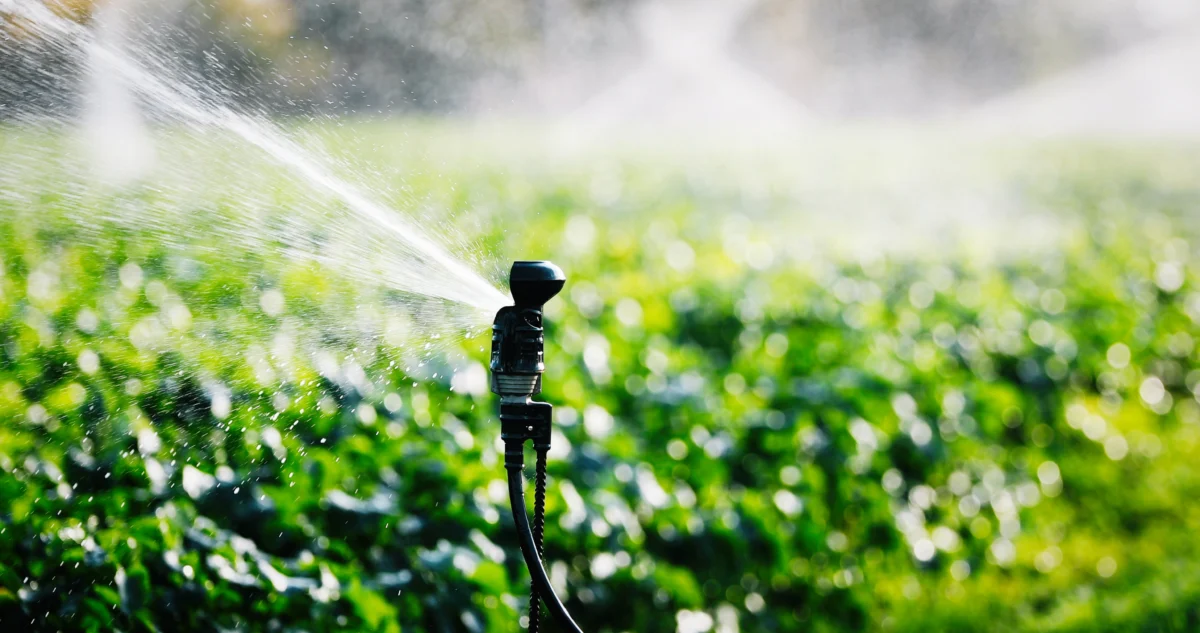
As climate volatility and rising input costs continue to challenge global food production, farmers around the world are turning to software as a primary tool for yield optimization. The second headline in modern AgTech focuses on a critical transformation: predictive artificial intelligence (AI) and Machine Learning (ML) algorithms optimizing water usage and crop inputs in real time.
By combining Internet of Things (IoT) sensors, satellite telemetry, and hyper-local weather forecasting, predictive algorithms are transitioning agriculture from reactive management to proactive precision.
1. The Shift to Real-Time Predictive Agronomy
Traditionally, irrigation schedules and chemical applications relied on historical regional averages, calendar routines, or visual crop inspections. However, field conditions change dynamically due to microclimates, soil variability, and localized pest pressures.
Predictive AI bridges this gap by continuously analyzing massive streams of field data:
- In-Soil IoT Sensors: Measure moisture, temperature, electrical conductivity, and nutrient levels at multiple root depths.
- Satellite and Drone Imagery: Utilize Multispectral and Thermal imaging to detect crop stress, chlorophyll density, and canopy temperature before symptoms become visible to the human eye.
- Hyper-Local Weather Intelligence: Feeds real-time microclimate predictions into machine learning models to adjust field plans before weather events hit.
2. Dynamic Water Management and Drought Mitigation
Water scarcity remains one of the greatest operational threats to agriculture today. AI-driven smart irrigation systems convert raw sensor data into automated water distribution strategies.
How AI Optimizes Irrigation:
- Evapotranspiration Modeling: AI algorithms calculate exact water loss based on solar radiation, humidity, wind, and crop growth stage.
- Targeted Variable-Rate Irrigation (VRI): Instead of watering an entire field uniformly, automated pivot and drip systems apply varying water volumes based on specific zone requirements.
- Water Conservation: Commercial farms utilizing AI-managed irrigation report reductions in water usage by up to 20% to 30% while maintaining or improving crop yield metrics.
3. Precision Input Application: Fertilizers and Crop Protection
Excessive fertilizer use and blanket pesticide applications drive up operational overhead and raise environmental concerns regarding run-off and soil health degradation.
AI predictive models enable Variable Rate Technology (VRT) for inputs:
- Nutrient Prescription Maps: Algorithms generate custom nitrogen, phosphorus, and potassium application maps down to the square meter, matching soil uptake capacity.
- Targeted Weed and Pest Defense: Computer vision models predict weed germination patterns and disease outbreaks, allowing growers to spot-treat infested zones rather than spraying entire fields.
- Cost Reduction: Precision input placement directly lowers fertilizer and chemical bills while protecting soil microbes and local watersheds.
4. Key ROI Drivers for Commercial Farms
Investing in predictive software platforms yields quick returns through multiple operational efficiencies:
- Lower Variable Costs: Directly decreases total spend on water pumping electricity, diesel, fertilizers, and herbicides.
- Yield Risk Reduction: Early detection of water stress or nutrient deficiencies prevents yield drag before irreversible plant damage occurs.
- Sustainability and Carbon Compliance: Verifiable data tracking helps farms qualify for carbon credits and environmental sustainability certifications.
The Future of AI-Driven Agriculture
Data-driven decision-making is rapidly becoming an industry baseline. As machine learning models absorb more historical field data, their predictive accuracy will continue to refine—giving farmers unprecedented control over yield, resource efficiency, and profitability.